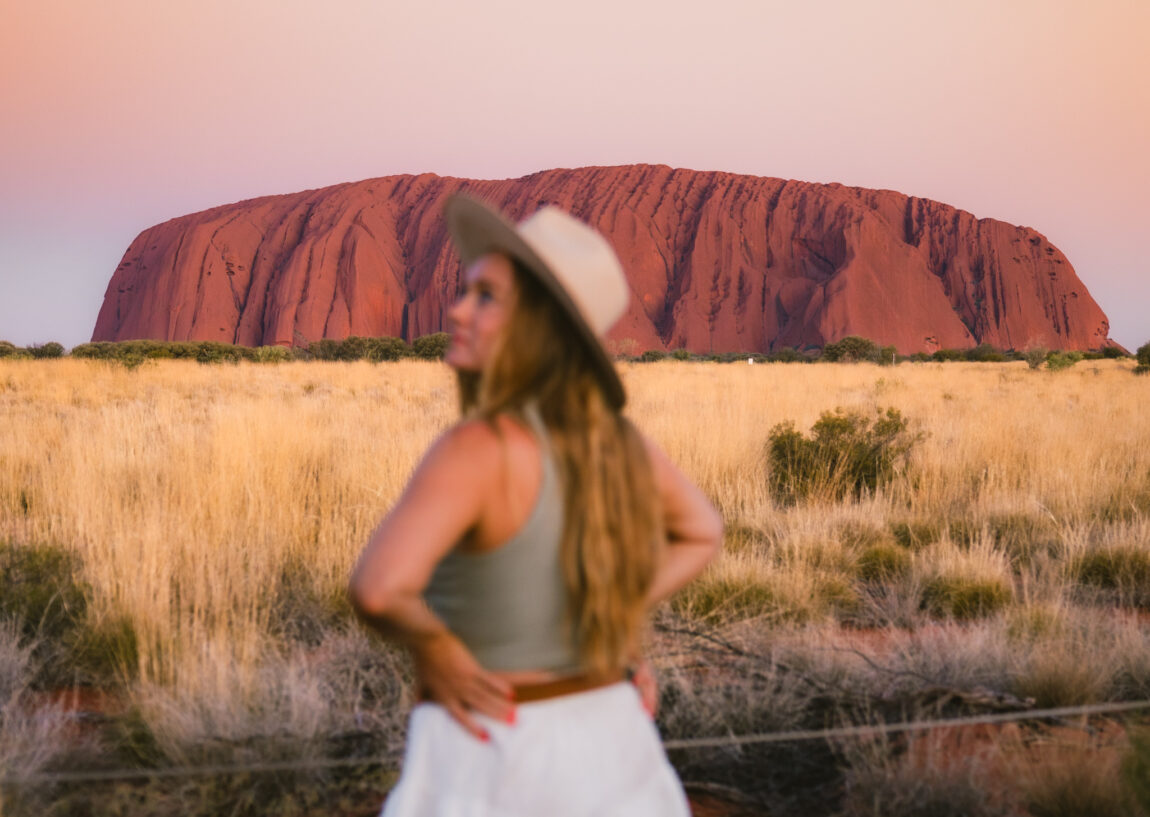
If you’re dreaming of a true Australian adventure, look no further than the Northern Territory. You’re probably thinking about the Red Centre and of course Uluru which is a big part of the State, however there is so much more to see and do in the Northern Territory. From the tropical coastline of Darwin, to the red deserts of Alice Springs, the NT is home to dramatic landscapes, ancient culture, and world-class national parks. This guide highlights the Top 10 best things to do in the Northern Territory, including Uluru-Kata Tjuta National Park, Kings Canyon, Kakadu National Park and more.

This is a sponsored blog post which includes some affiliate links which allows me to create some revenue from this article at no extra cost to you. All opinions are my own. Thank you for supporting my blog!
1) Things to do in Darwin Northern Territory – Top End’s Tropical Capital
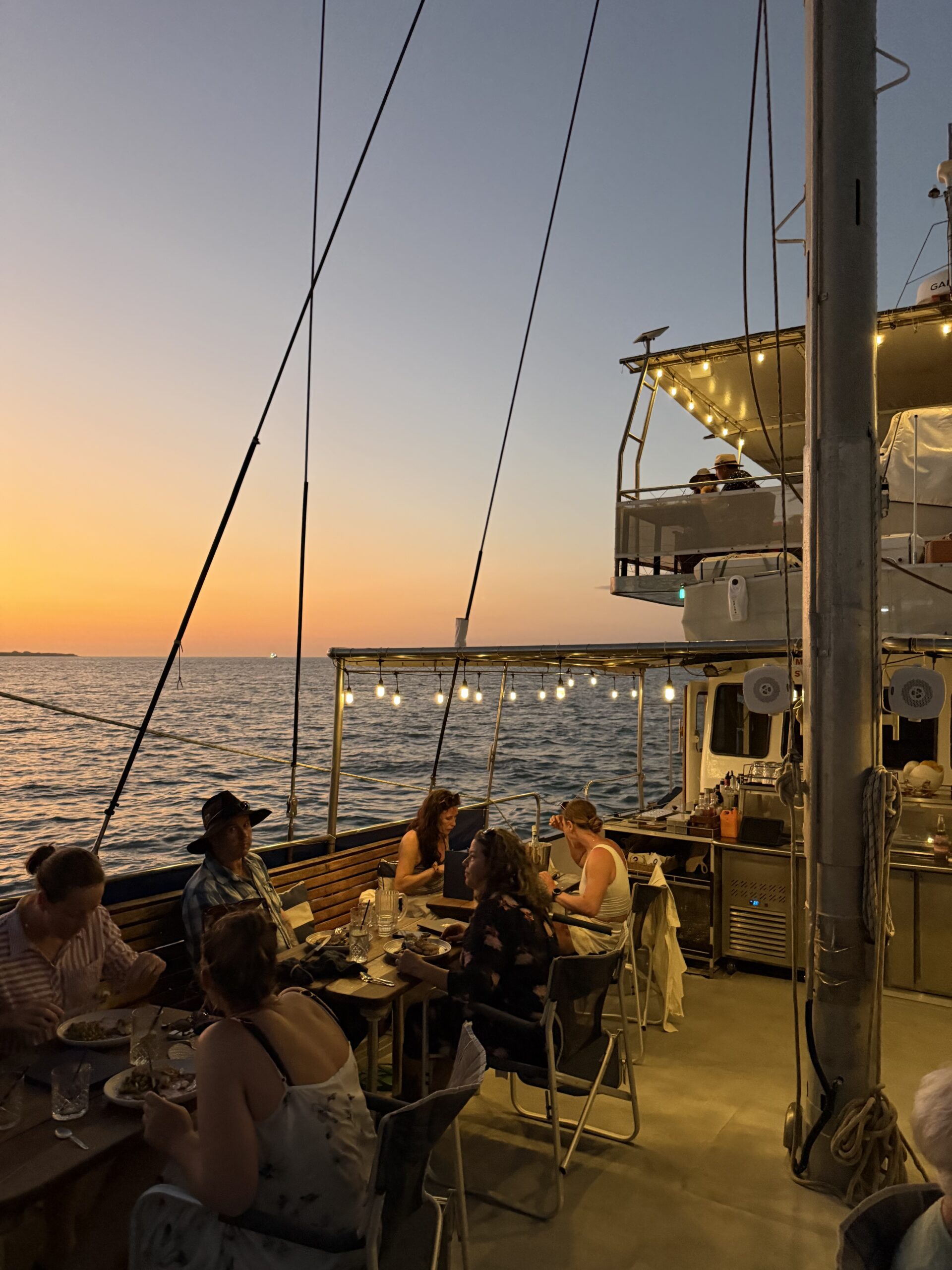
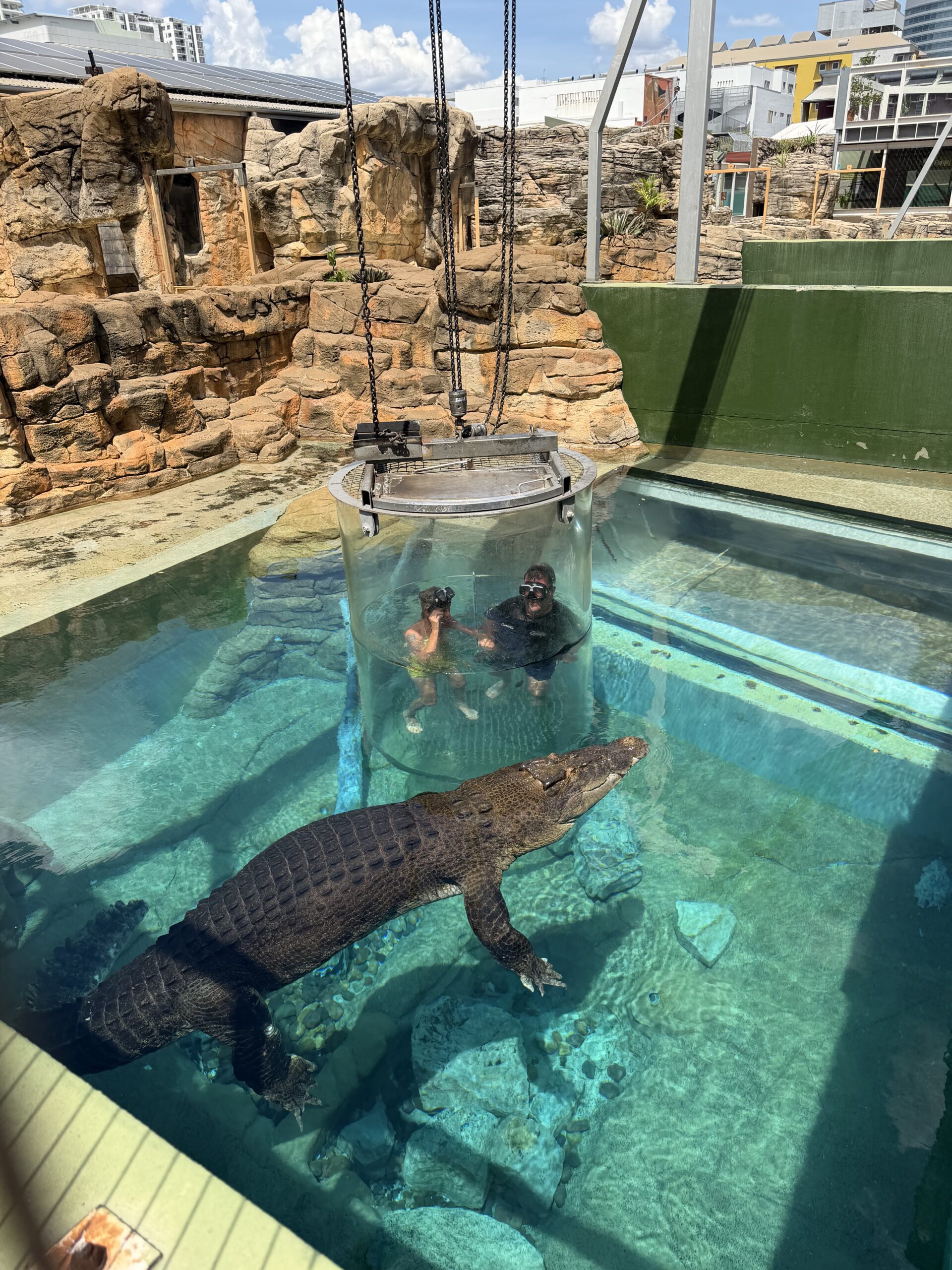
I came to Darwin not knowing what to expect… and left totally obsessed. It’s the kind of city where one minute you’re sipping a cocktail on a boat, and the next you’re face-to-face with a crocodile or jet-skiing in the ocean. It’s tropical, laid-back, and cool in a way that no other Australian city is. You definitely have to add it to your Northern Territory itinerary.
Best things to do in Darwin:
- Mindil Beach Sunset Market
- Jet-ski adventure on Darwin Harbour
- Crocosaurus Cove (home of Cage of Death)
- Sunset cruise with local seafood with Cape Adieu
- Wander the Waterfront Precinct for restaurants and swimming lagoon
- Visit the Tiwi Islands
Darwin is also the perfect tropical gateway to visit Litchfield National Park and Kakadu National Park.
Where to stay in Darwin:
budget – MOM Darwin hostel
mid range – Adina apartment hotel
luxury – Sea Renity at the waterfront



2) Swim Beneath Waterfalls in Litchfield National Park
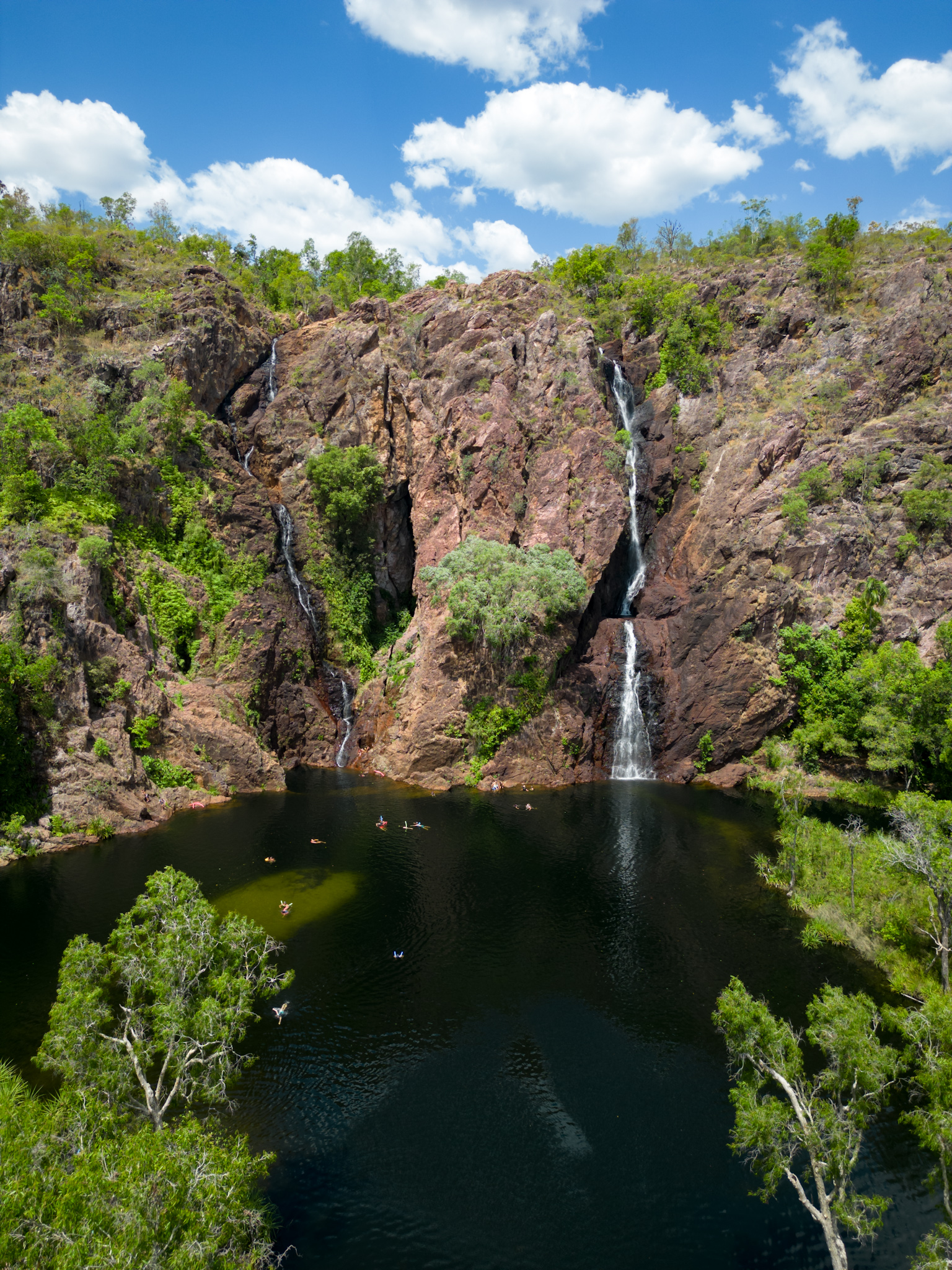
Just a short road trip from Darwin, Litchfield National Park is packed with natural swimming holes, lush rainforest, and dramatic waterfalls. You can either drive yourself here (it’s about 1 hour from Darwin), or join a small group tour.
It’s a great place to hike around and swim so make sure to bring your swimmers! You might be wondering, what about the crocs?! No need to panic. In dry-season, well-maintained swimming holes at Litchfield National Park are checked and monitored by park staff, and in many popular spots the risk of salt-crocodiles is kept very low. But always stick to the marked ‘Swimming Area Open’ zones and heed all warning signs.
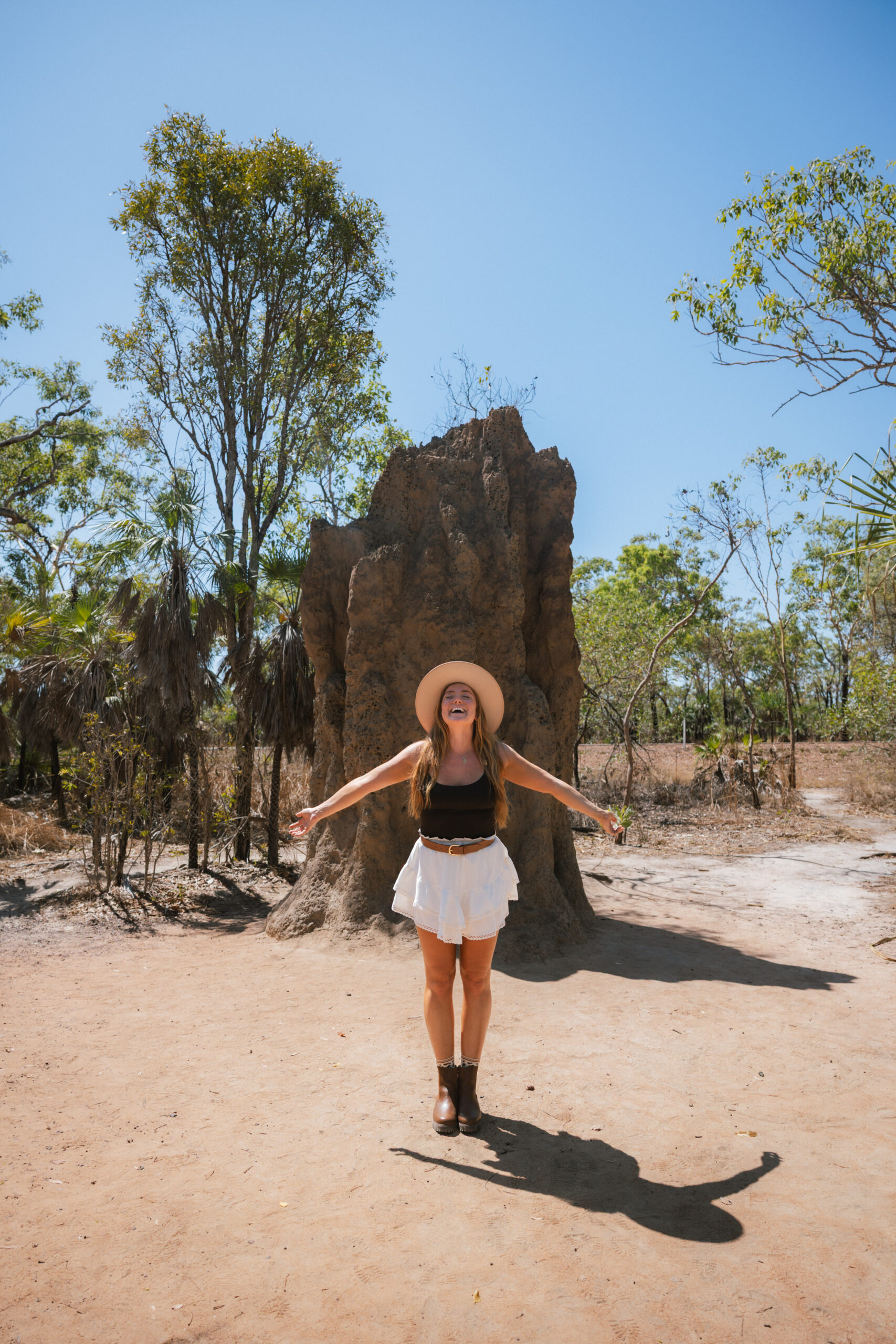
One thing you’ll spot all over Litchfield National Park are the massive termite mounds, some of them are over two metres tall! These creatures are tiny, but they build entire architectural cities that can last more than 50 years. My favourite were the Magnetic Termite Mounds which are all perfectly aligned north to south, acting like a giant natural compass. Termites do this to regulate the inside temperature and avoid the harsh Top End sun. Genius, right?
Must-see spots in Litchfield National Park:
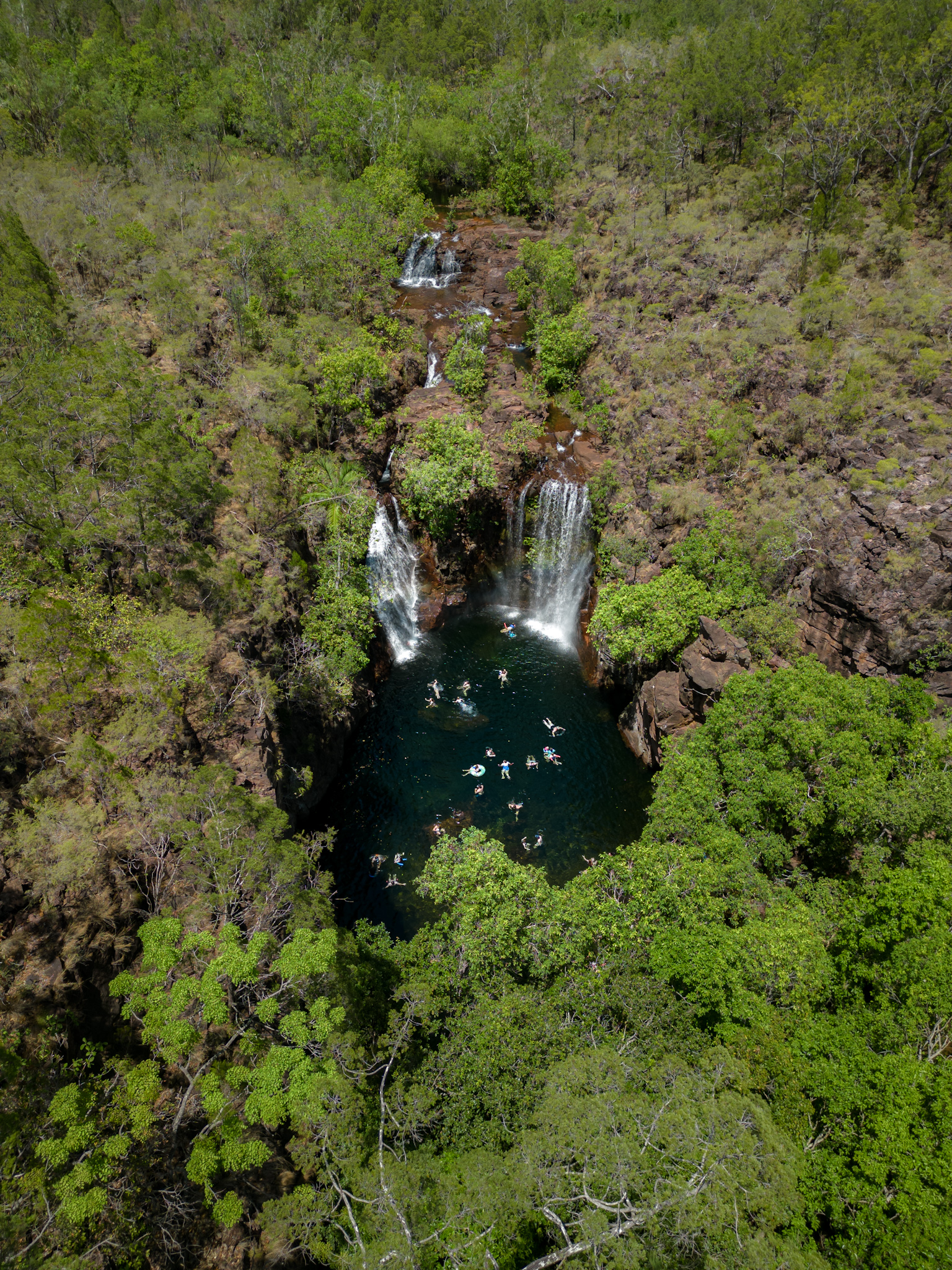
- Florence Falls
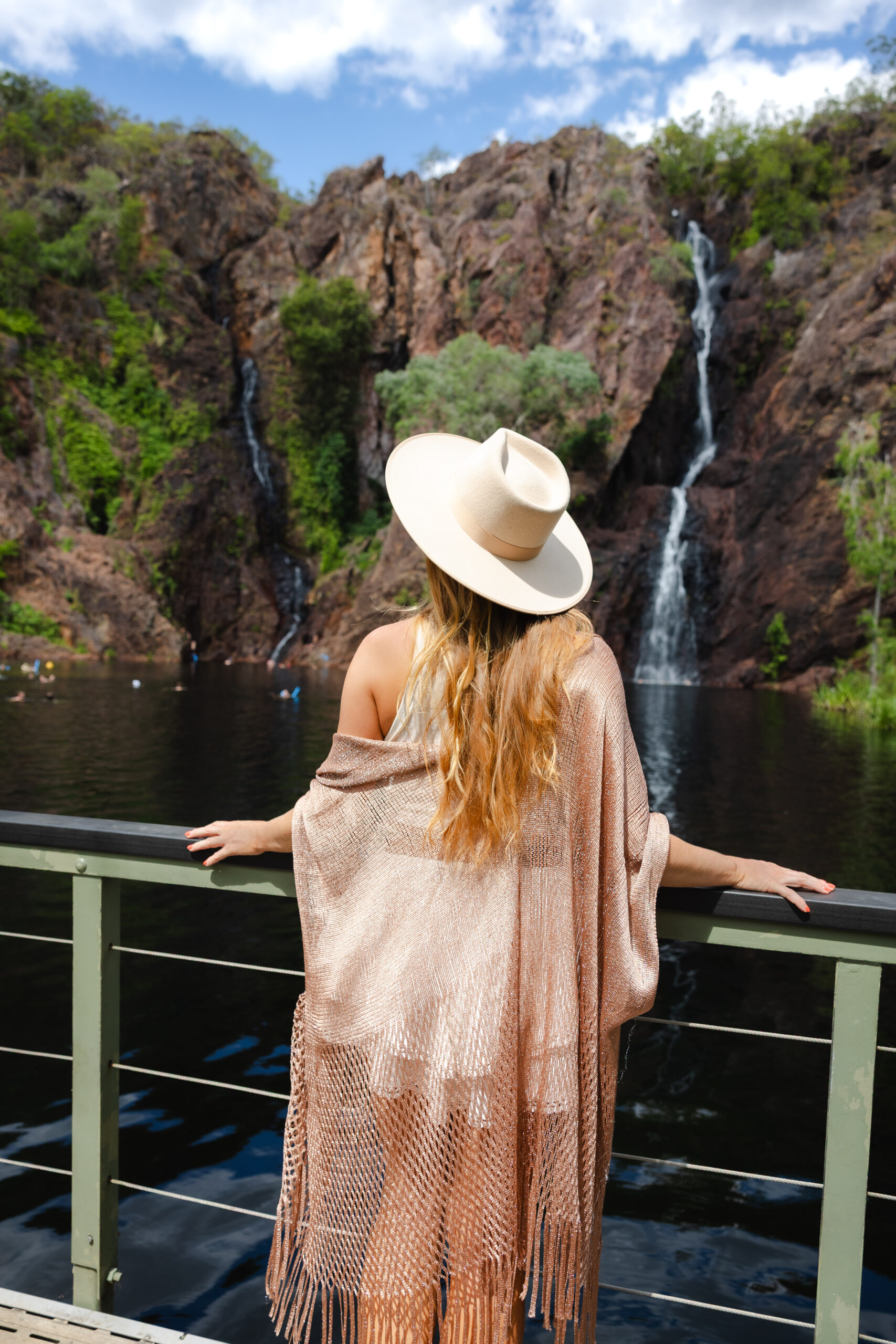
- Wangi Falls
- Buley Rockholes
- Magnetic Termite Mounds
3) Discover Ancient Culture and epic landscapes in Kakadu National Park
Covering nearly 20,000 km², Kakadu National Park Northern Territory is Australia’s largest national park and a UNESCO World Heritage site for both its natural and cultural significance.
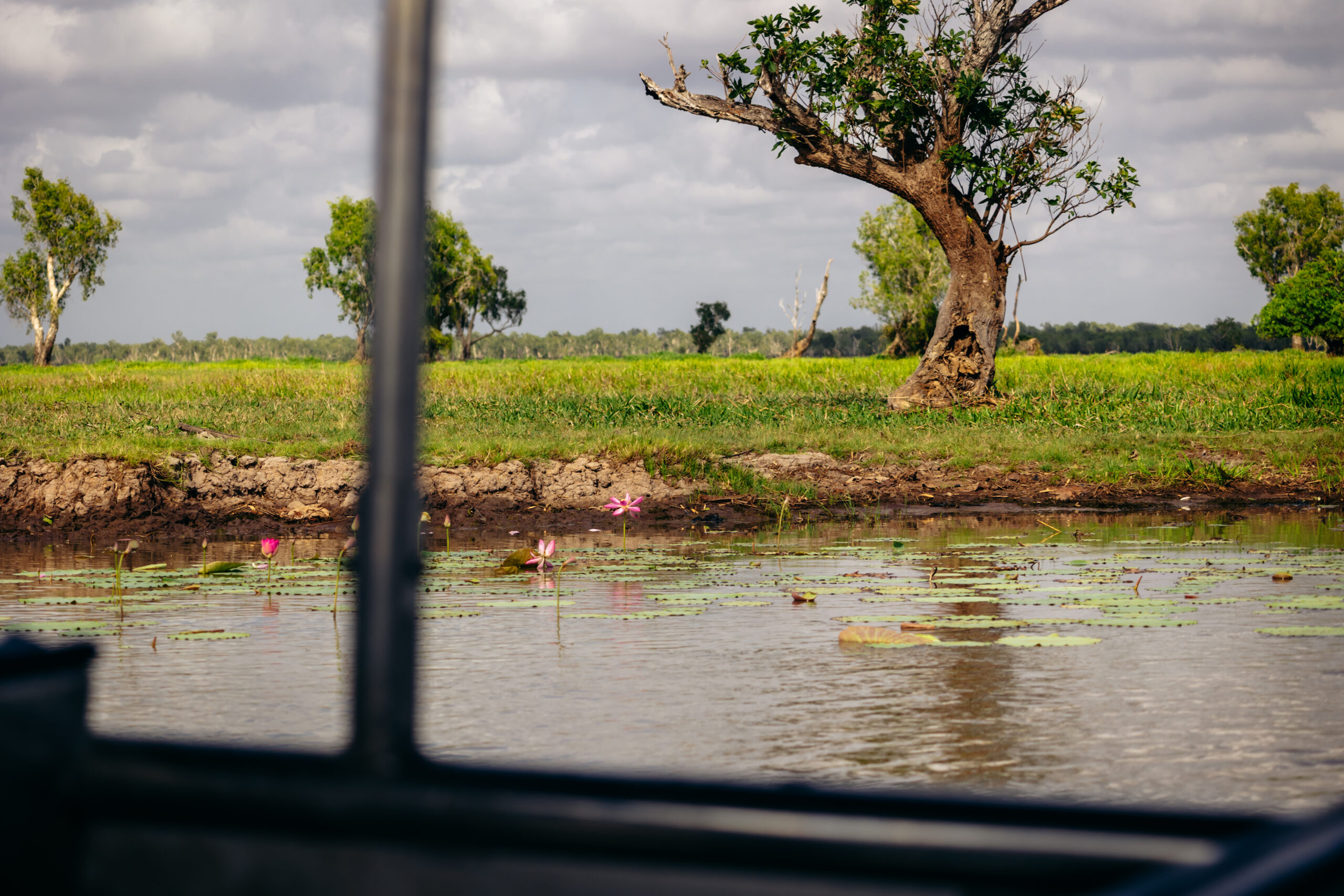
Kakadu National Park Northern Territory is rich with crocodiles, wetlands, Indigenous rock art and sacred landscapes. This is the home of the Bininj and Mungguy Traditional Owners – the oldest living culture on the planet. Their stories are etched into the rock and sung through the land. It’s a place where every hike, every lookout, every billabong has meaning.
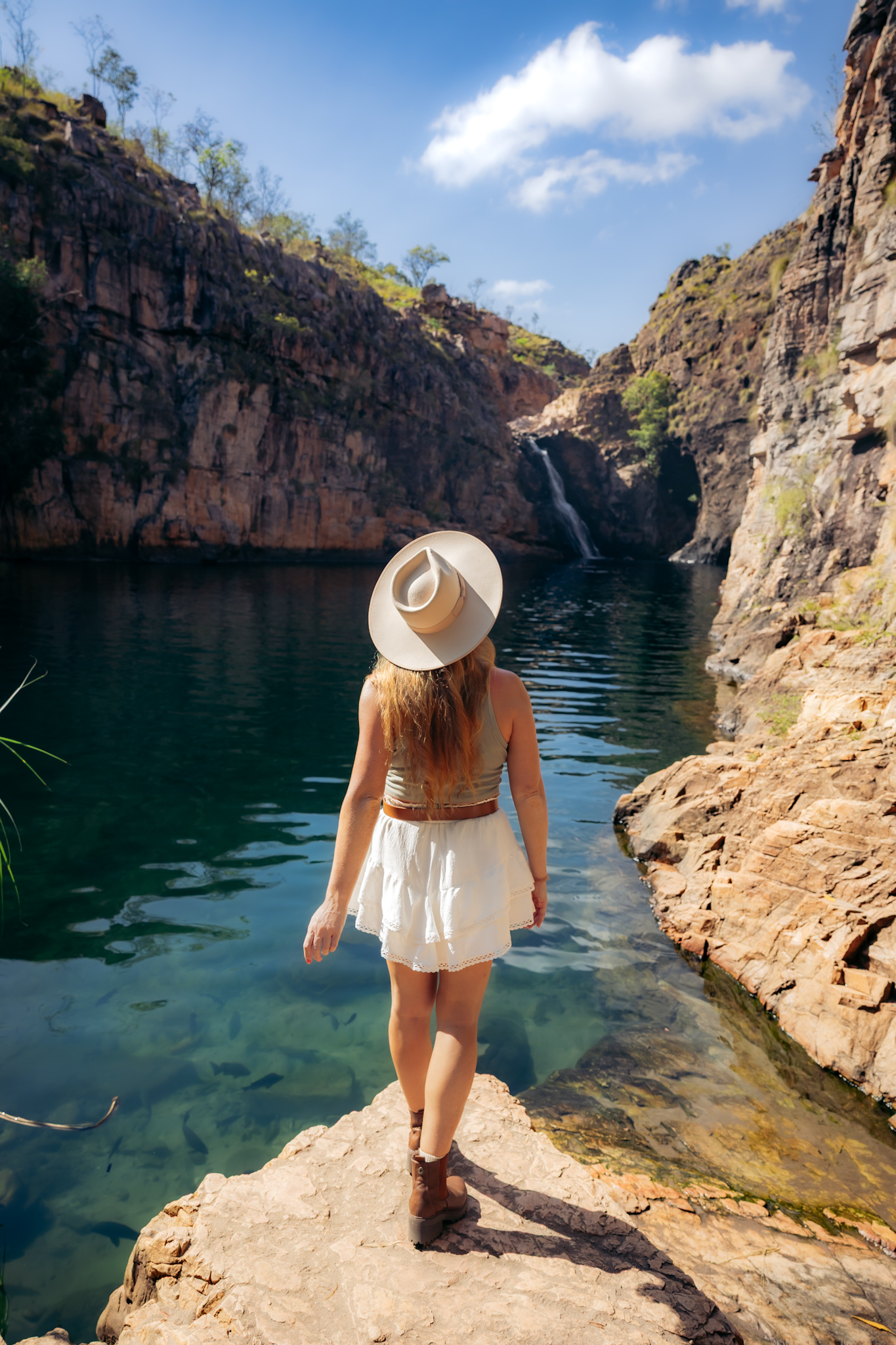
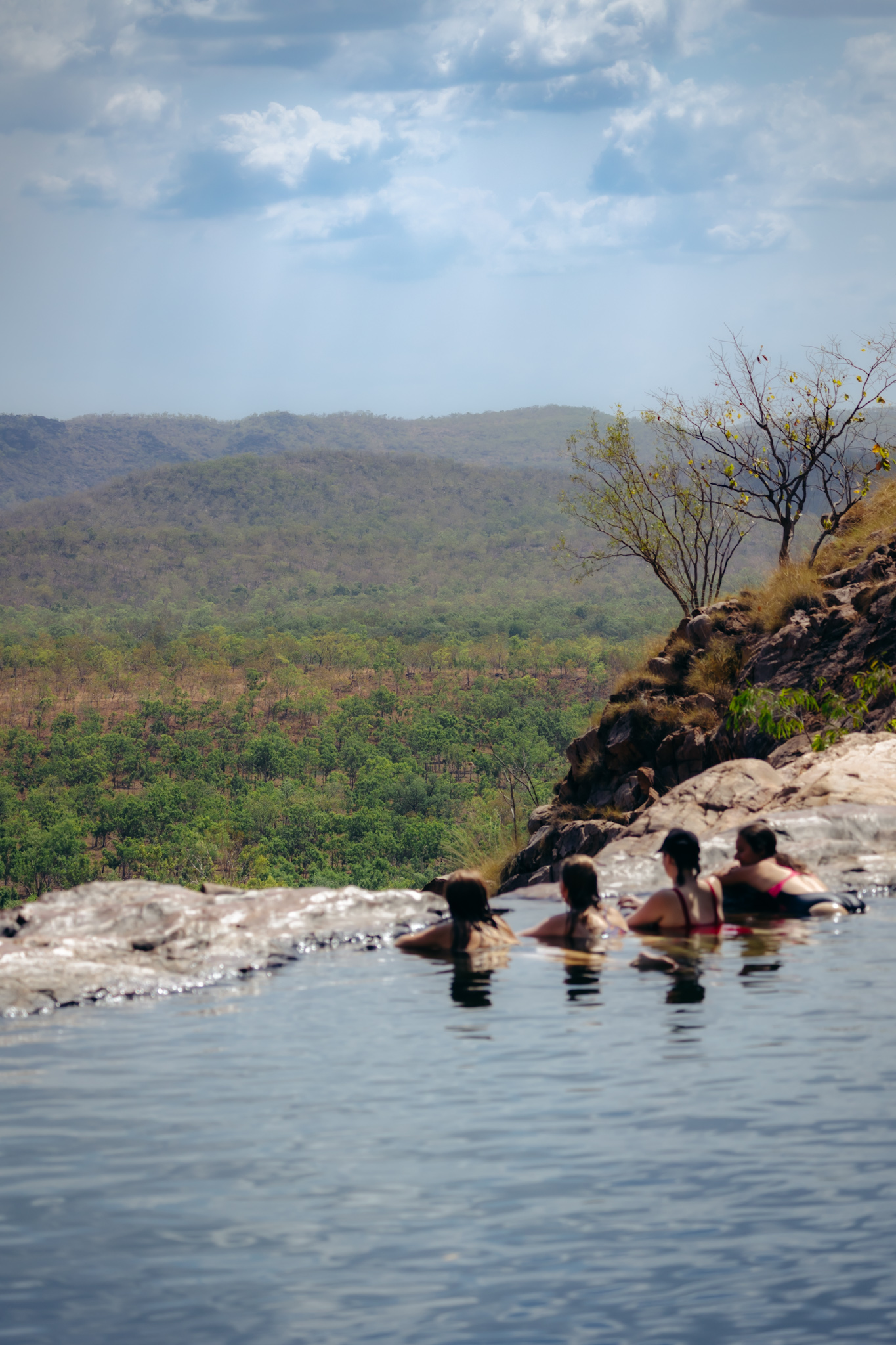
I’m usually a “plan it myself” kind of traveller… but booking a 3-day camping tour completely changed my Kakadu experience. Our guide knew the right trails, and where to find the secret swim spots, as well as share more information about the local culture. We toasted marshmallows by the fire, swapped travel stories, and watched the Milky Way appear brighter than I’ve ever seen it. It was a proper adventure – the kind that bonds you with strangers instantly. The sheer size of Kakadu means it’s impossible to cover in just 1 day, so I definitely recommend staying overnight, and camping is the best way to experience it.
The best time to visit Kakadu National Park is during the dry season (May–October) for full access and comfortable weather, or go in the wet if you’re chasing lush green landscapes, dramatic waterfalls and fewer tourists (you just won’t be able to swim then). Either way, Kakadu feels like stepping into a wild, raw and completely untouched land.
Best places in Kakadu National Park:
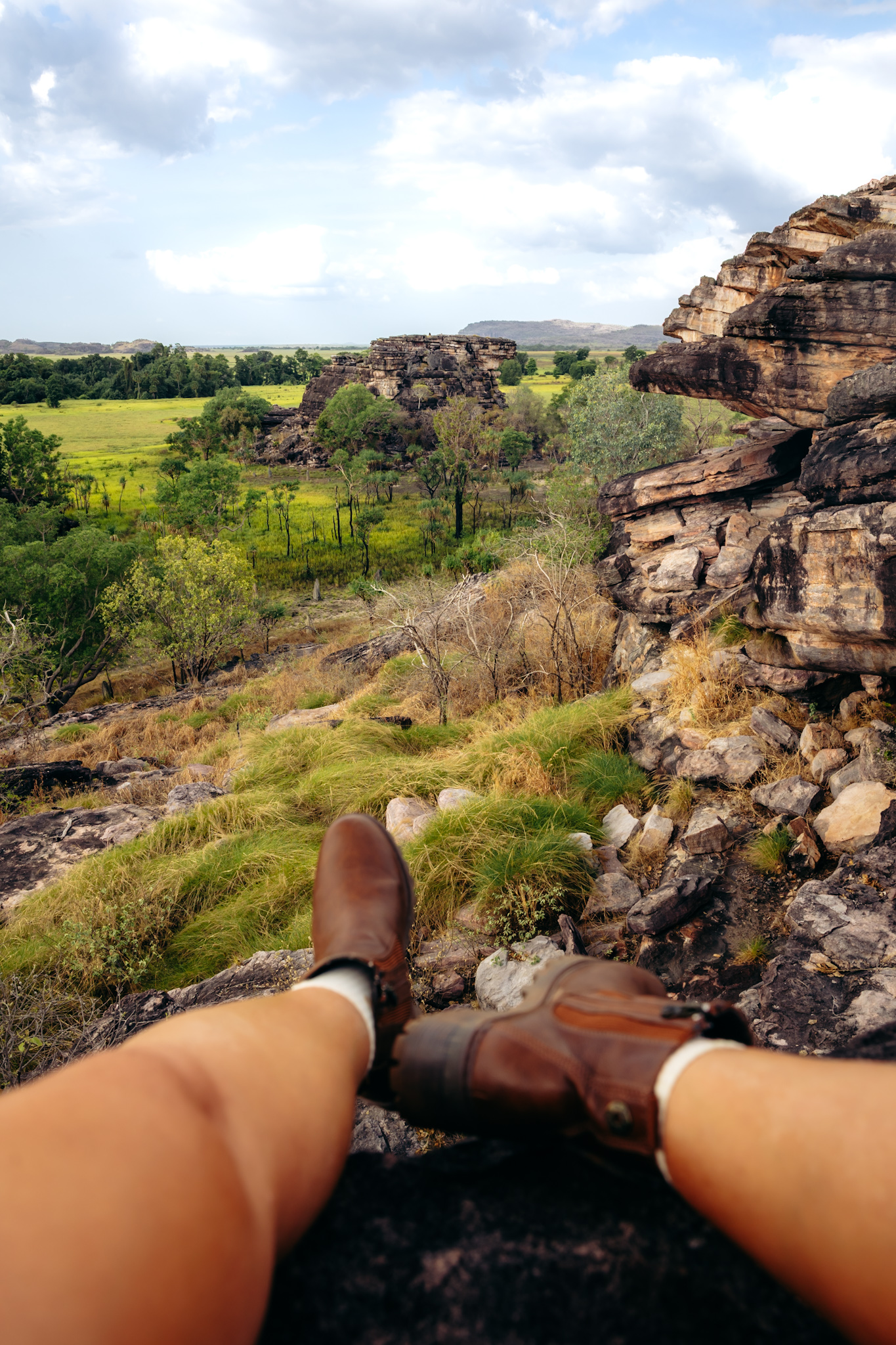
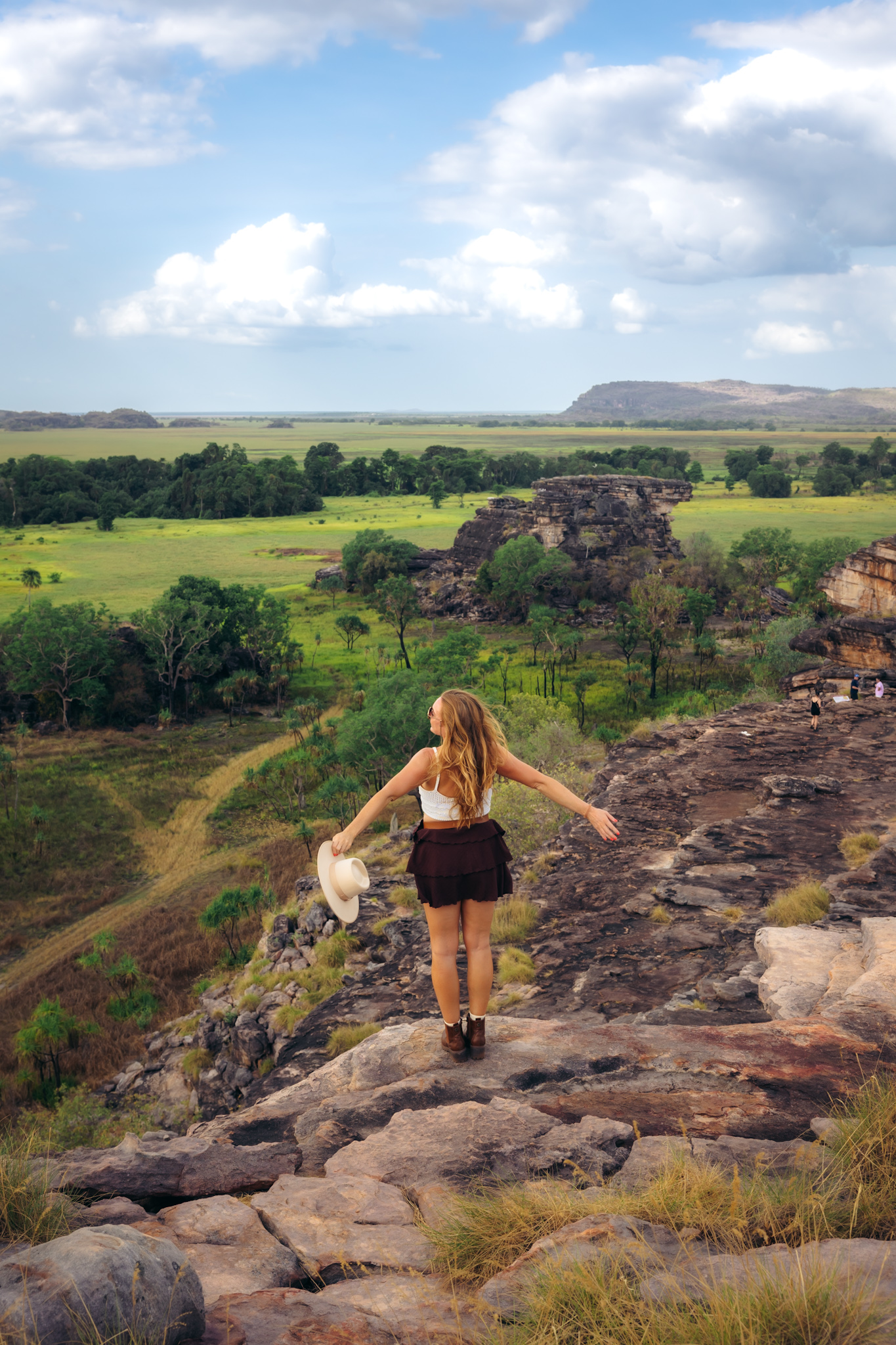
- Ubirr rock art + Nardab floodplain views
- Jim Jim Falls
- Maguk (Barramundi Gorge)
- Gunlom natural infinity pools
- Corroboree Billabong wildlife cruise
- Cahill crossing at high tide
4) Marvel at Uluru in Uluru-Kata Tjuta National Park
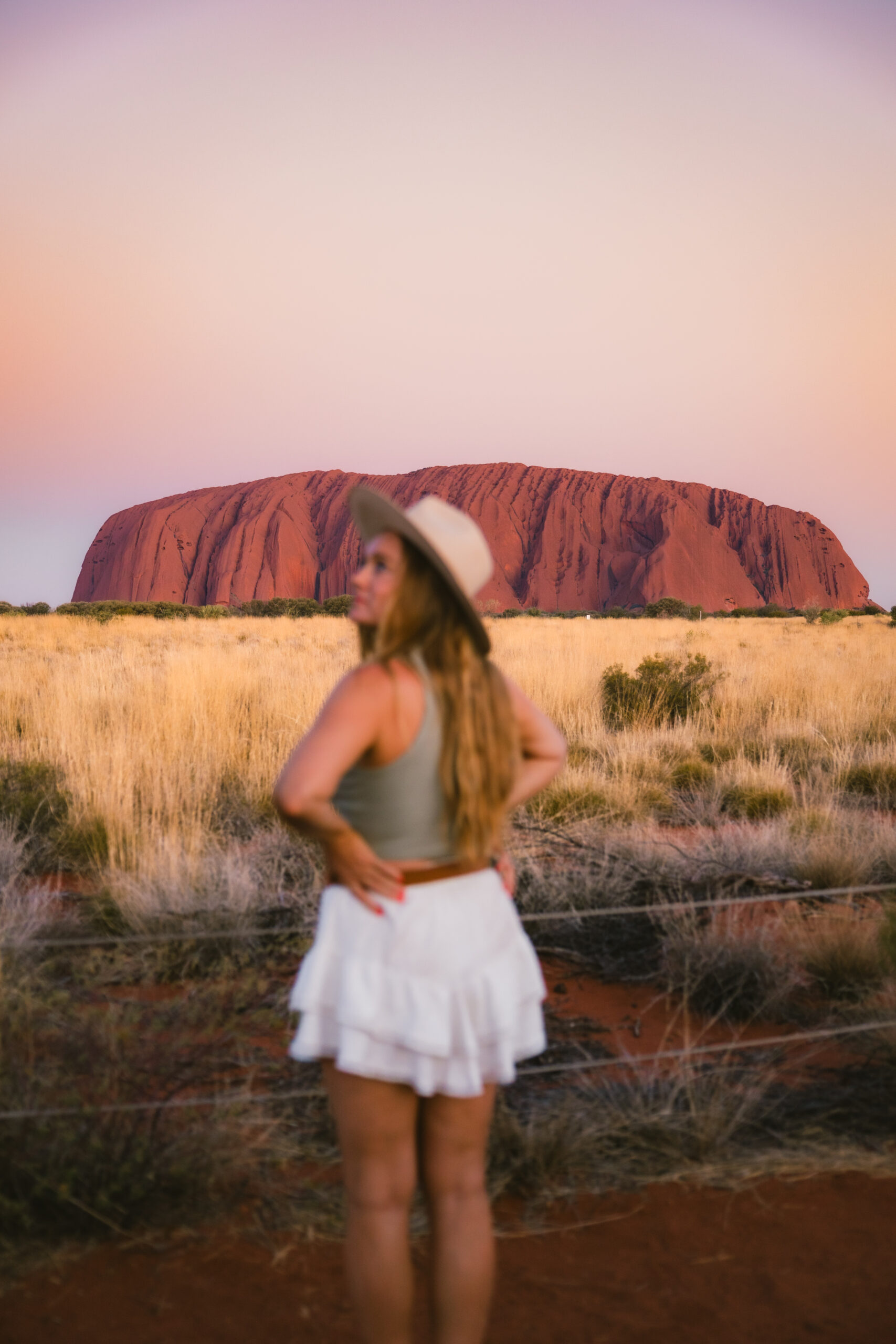
In the heart of Australia’s Red Centre lies Uluru-Kata Tjuta National Park – a place where ancient rock meets living culture. The massive monolith of Uluru rises 348 metres above the surrounding plain, higher than the Eiffel Tower.
This isn’t just sightseeing – it’s coming into a sacred landscape, co-managed by the Indigenous Anangu people and Parks Australia. That deep cultural connection makes every sunrise and canyon walk more than just visually spectacular, it becomes a story. So it’s easy to understand why it’s one of the best places in Northern Territory.
Top things to do at Uluru
The best way to truly experience Uluru is to see it at different times of day. Wake up early for sunrise and watch the entire rock slowly glow from deep purple to fiery red, then return at sunset when the colours shift again in the opposite direction – both moments are absolutely breathtaking. For the perfect sunrise at Uluru, head to the dedicated Talinguru Nyakunytjaku viewing platform – a 360-degree lookout that delivers panoramic light over Uluru and Kata Tjuta. For sunset, drive to the Car Sunset Viewing Area at Uluru – park up, bring a blanket and snacks, and watch the rock change colour as the sun dips behind you.
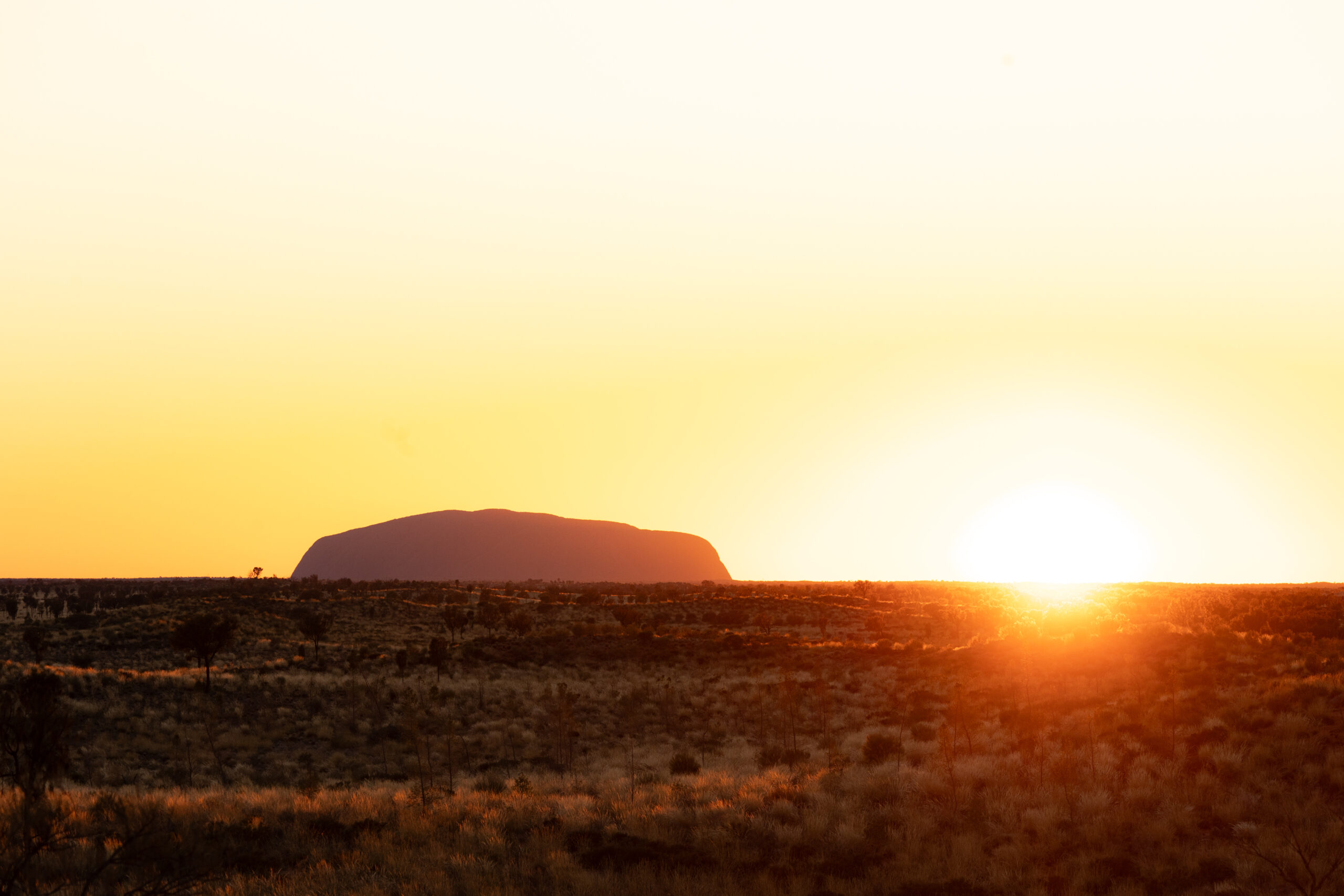
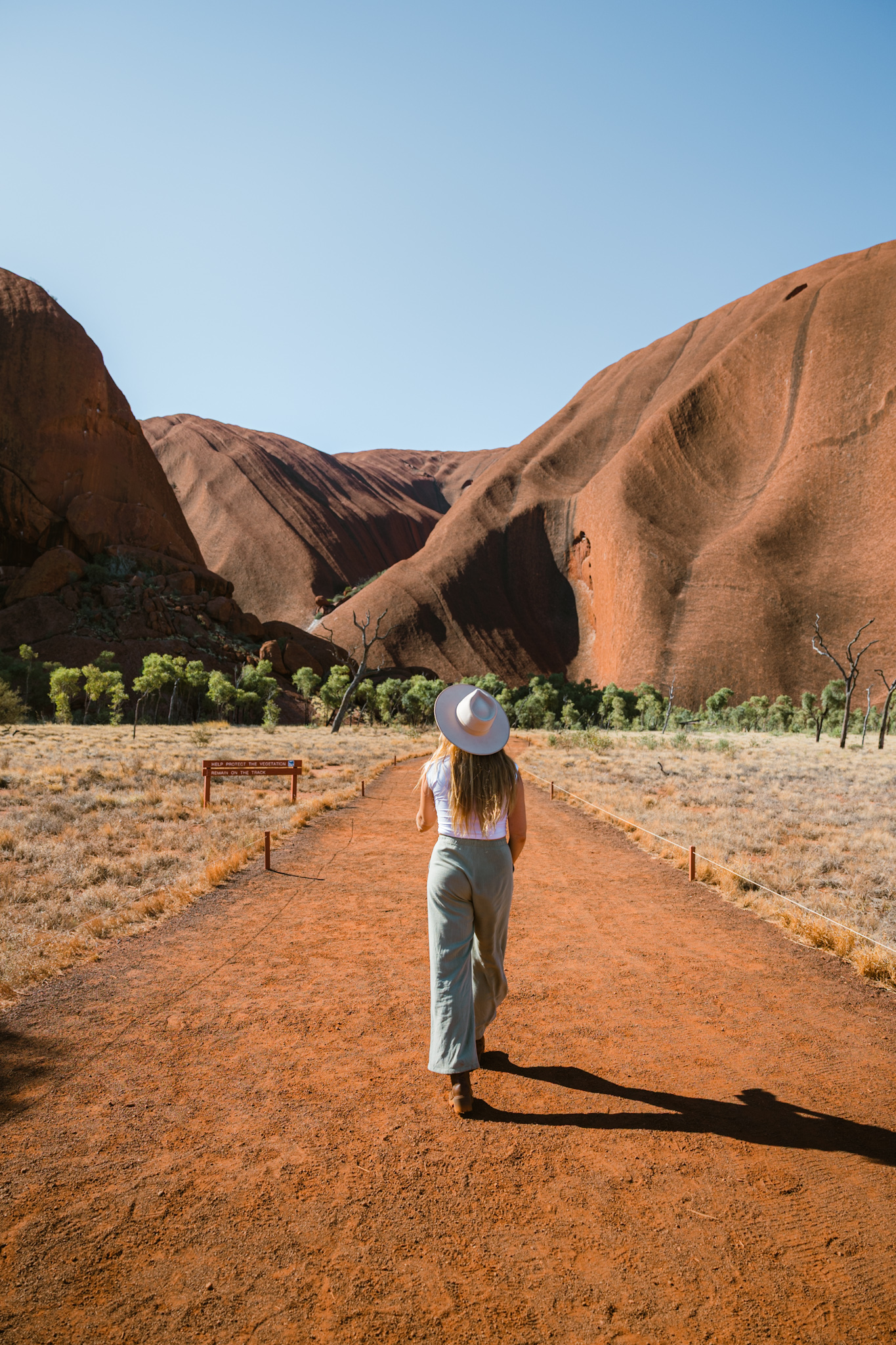
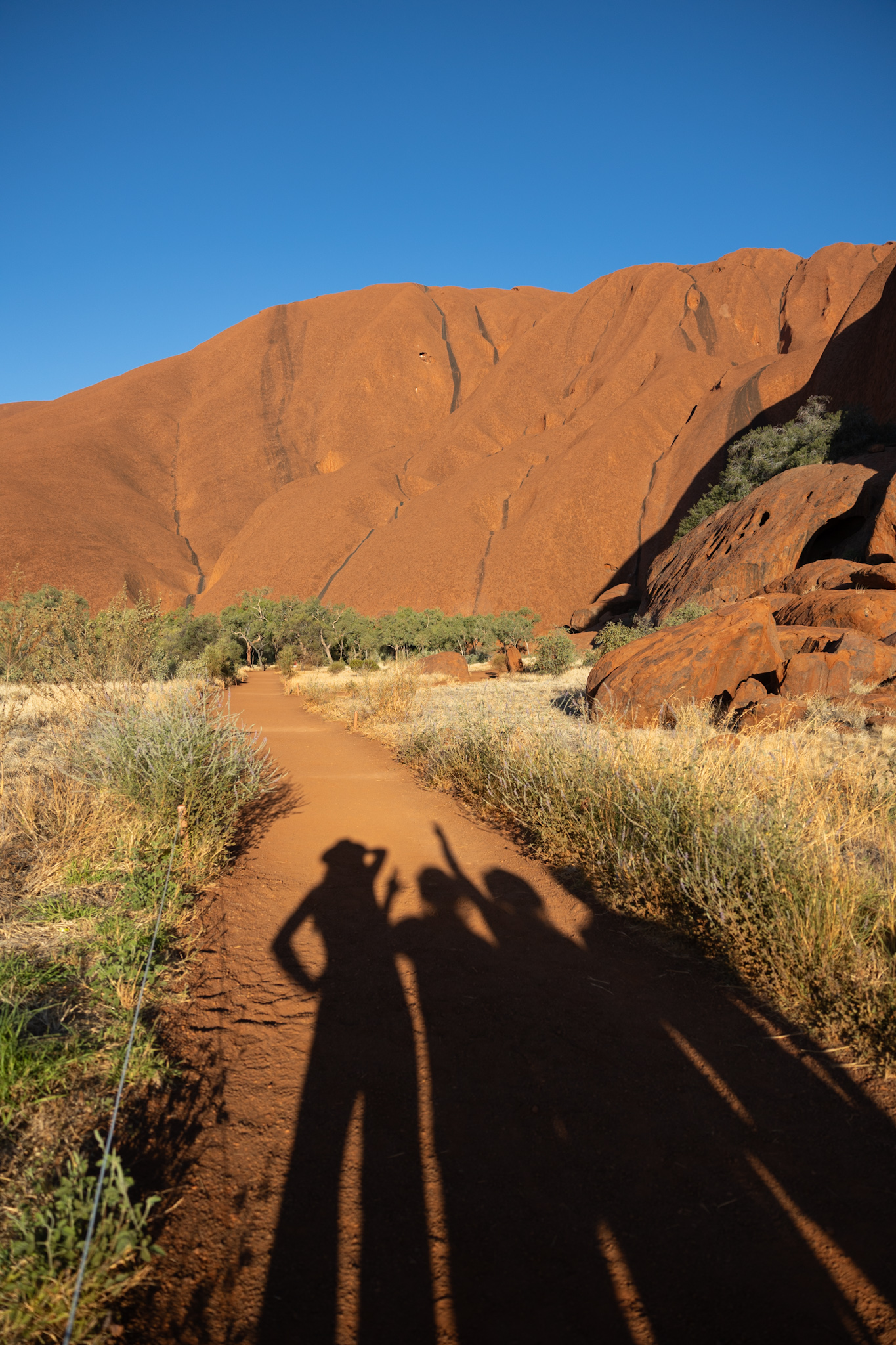
Make sure to walk the 10km Base Walk around Uluru to really appreciate its scale, textures, waterholes and sacred sites up close. It should take you around 3-4 hours to complete.
I didn’t get to do this unfortunately, however if I were to come back I would definitely book a helicopter flight over Uluru! So then you really can experience its magic from all angles!
Once the sun has disappeared, don’t miss the Field of Light – a magical installation where more than 50,000 lights illuminate the desert floor beneath the stars. It’s the perfect way to end a day in the Red Centre.
Best time to visit Uluru Kata Tjuta National Park
To get the most out of your visit to Uluru and Kata Tjuta, timing matters:
- Dry season (May – October) is your safest bet: cooler mornings, full access to walks/trails, and minimal rain.
- Shoulder months (April or September) can offer a sweet spot: fewer crowds, still very good conditions.
- Hot season (November – March) brings stronger heat, possible closures, and more unpredictable weather – though if you’re after those rare dramatic storms and wild skies, it’s an option.
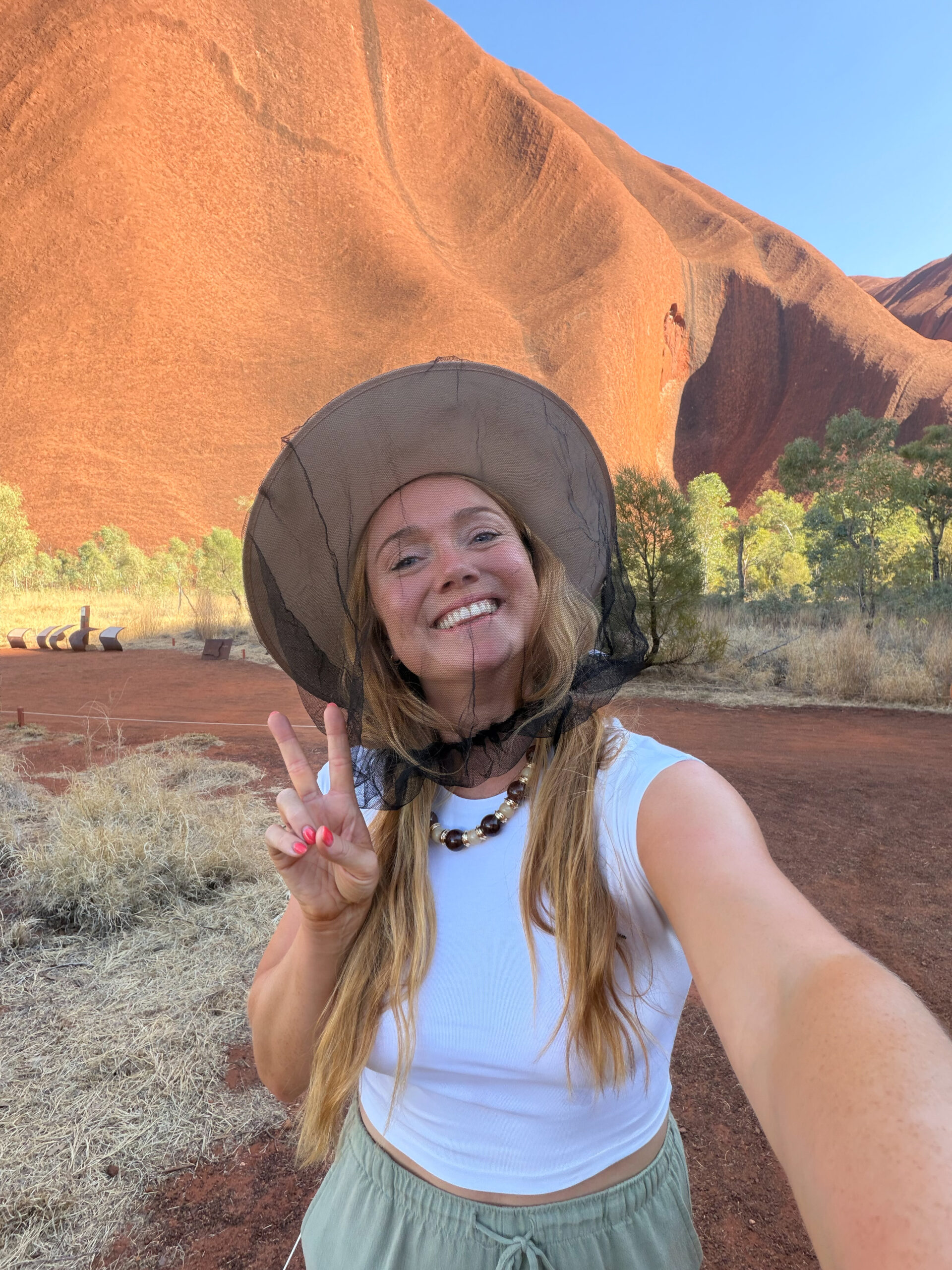
Oh, and the flies… If you visit Uluru or Kings Canyon in the warmer months (especially October to February), prepare for a lot of flies. They love the heat, the sweat, the moisture – basically you! They’re harmless but can be super annoying when you’re trying to admire the view or film content. A cheap fly net over your hat will save your sanity and make your experience so much more enjoyable. Cooler winter months generally mean fewer flies, so if you’re sensitive to them, aim for May- August.
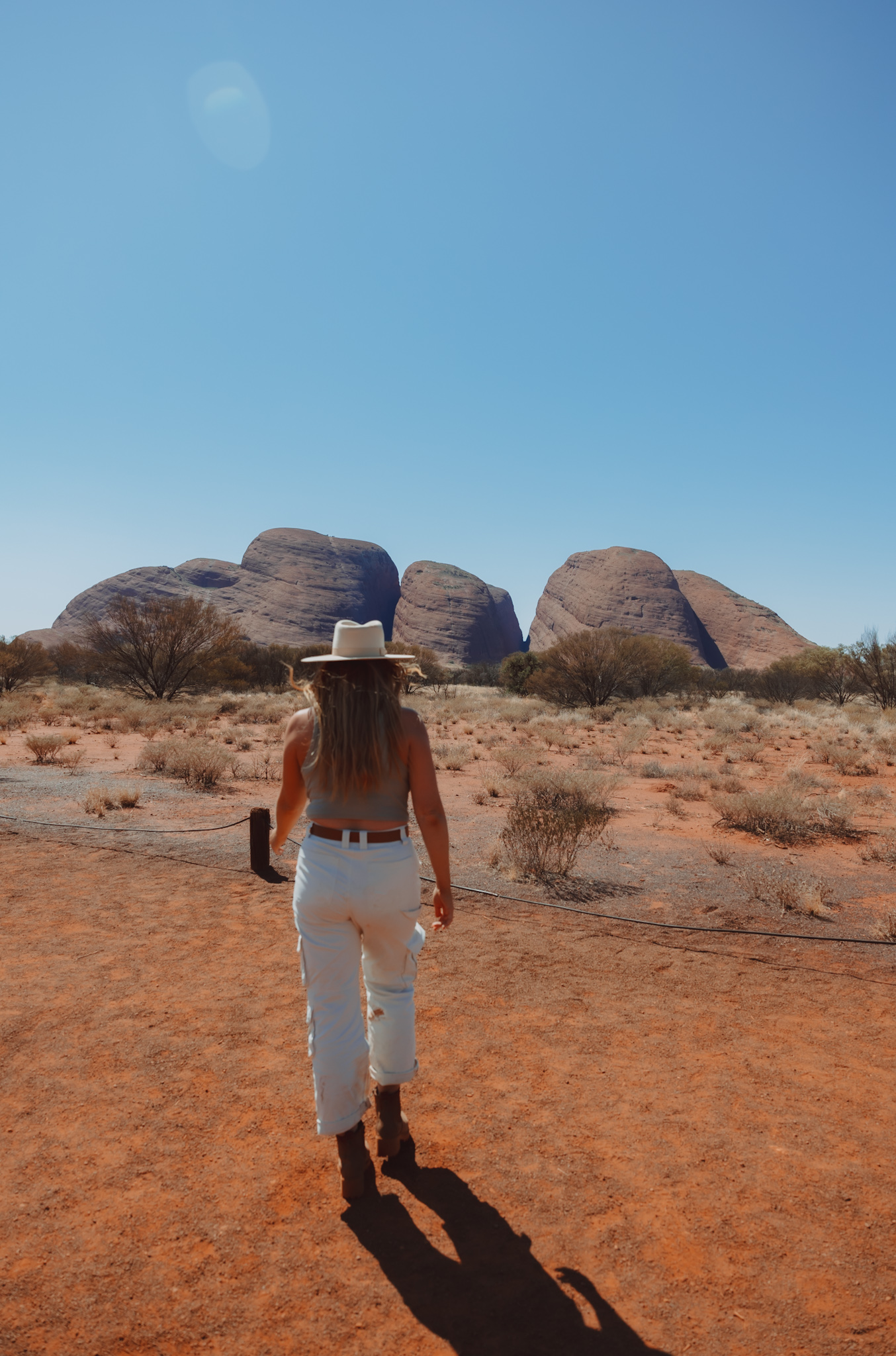
5) Hike around Kata Tjuta
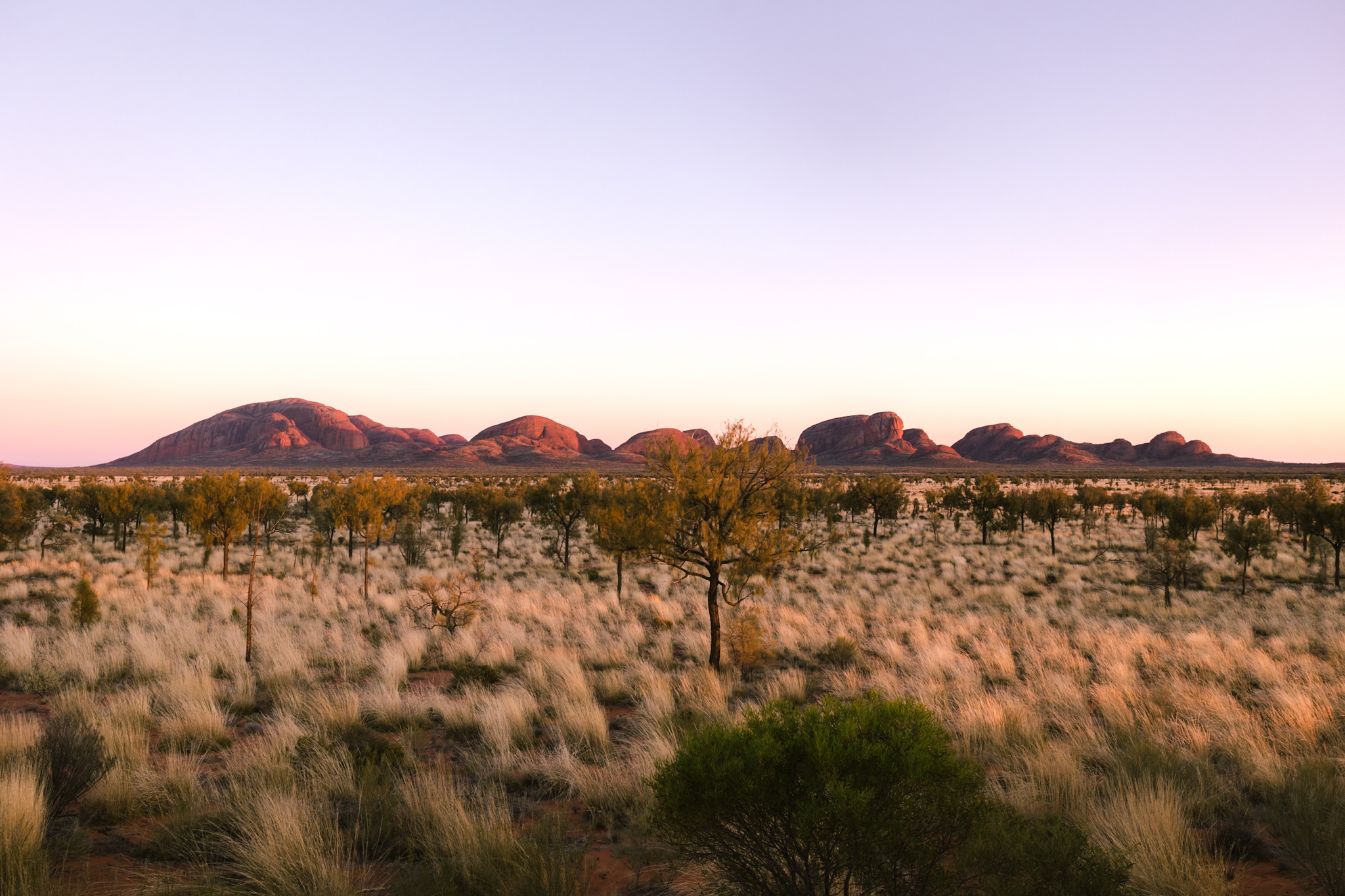
Kata Tjuta (which means “many heads”) is a collection of 36 massive domes made of sedimentary conglomerate rock – differing in shape and texture from the smooth monolith of Uluru. The highest dome (Mount Olga) rises to about 1,066 m above sea level – roughly 546 m above the surrounding plain – making it even “taller” than Uluru in that sense.
Best things to do at Kata Tjuta
- Walk the Valley of the Winds trail – panoramic, remote, epic views
- Walk the Walpa Gorge – a shorter hike, perfect if time/lights are tight
- Photograph the domes at sunrise/sunset when colours shift dramatically
- Sit quietly and reflect: the place has strong spiritual significance in Anangu culture.
Early morning is best for hikes to avoid the midday heat. Don’t forget your water bottle! Please note that some walks close under extreme heat or bad weather, so check openings in advance.

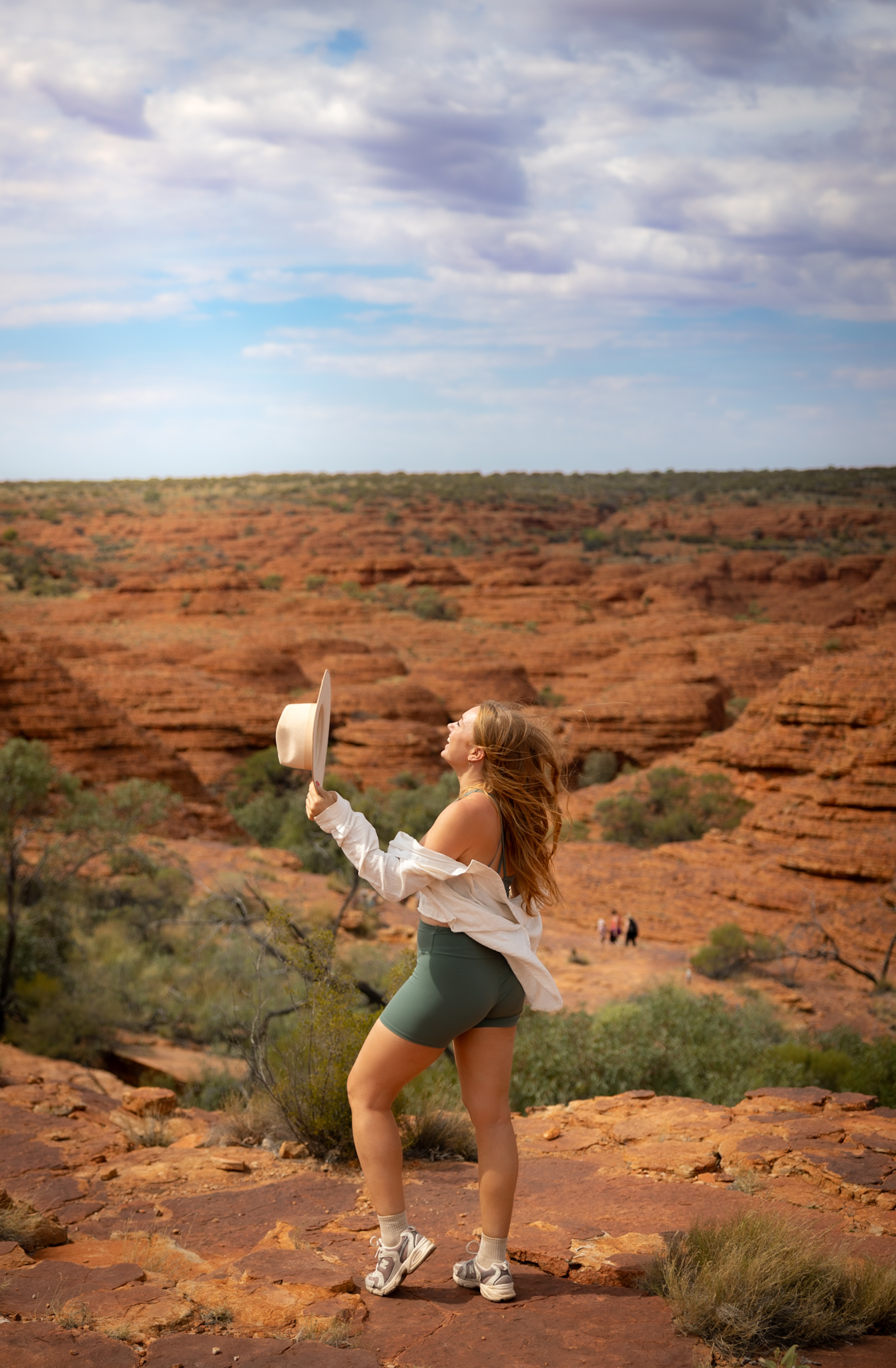
6) Hike the Rim Walk in Kings Canyon
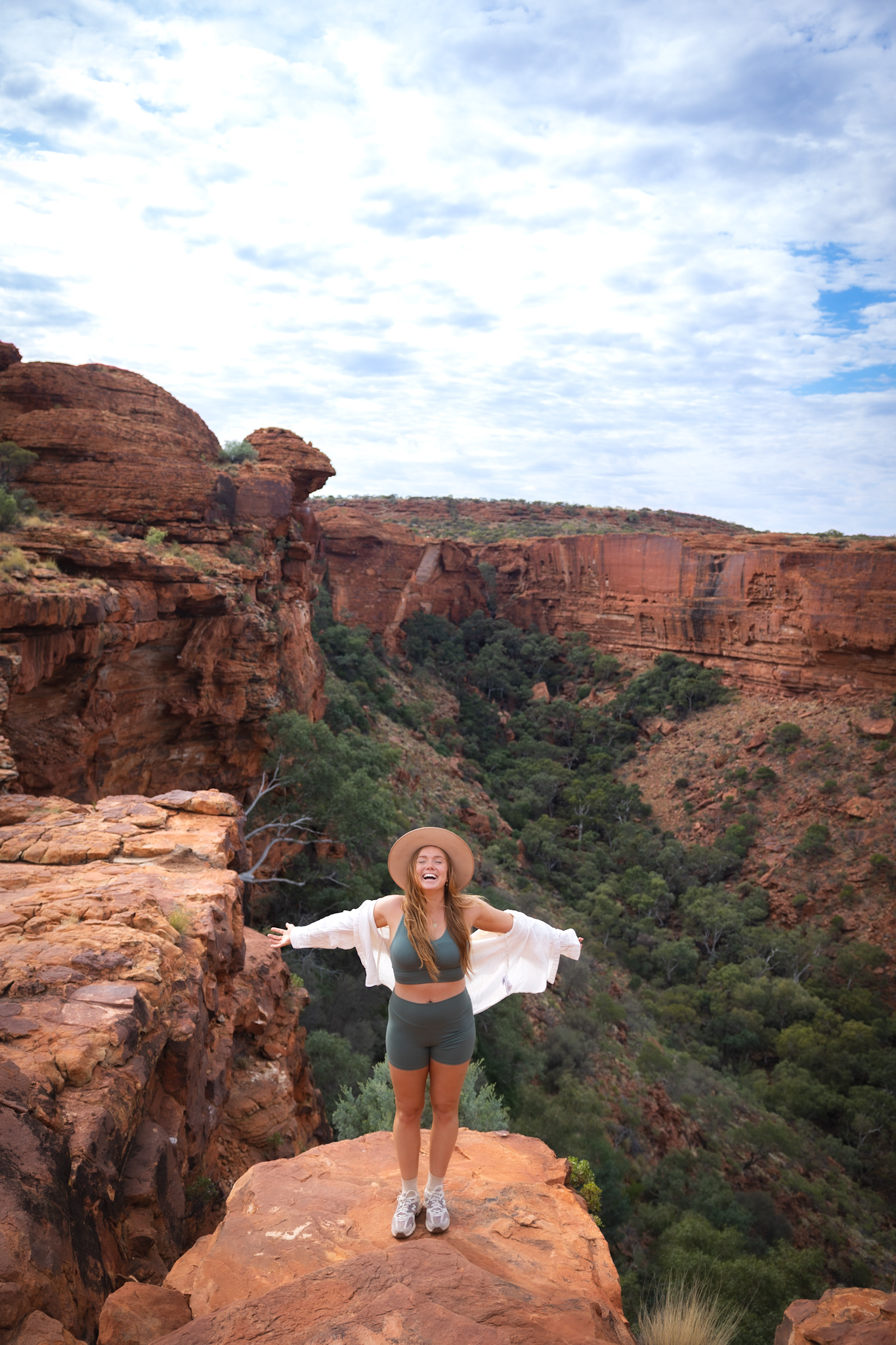
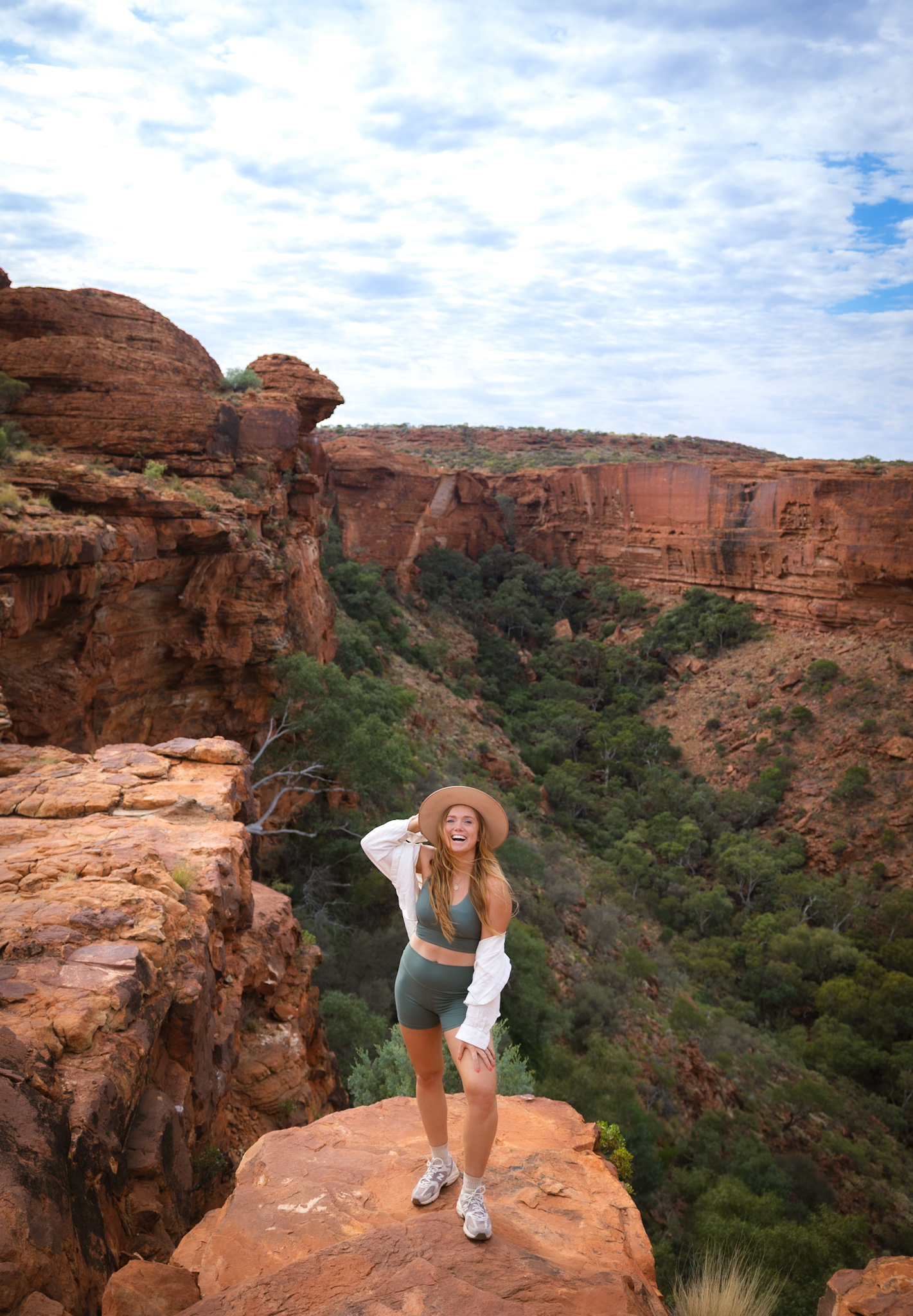
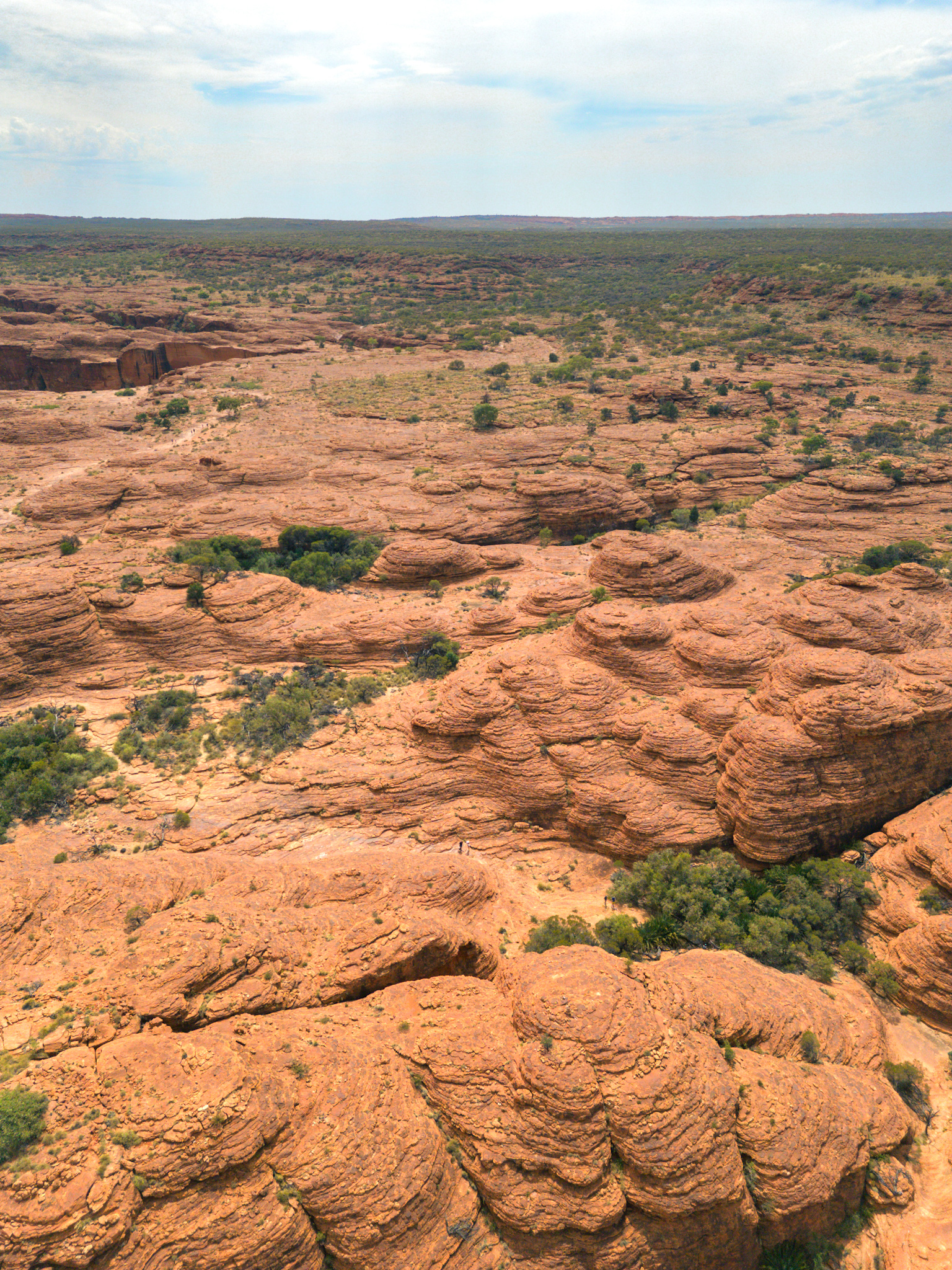
One of the most dramatic landscapes in Australia, and best places to visit in the Northern Territory, Kings Canyon is known for sandstone cliffs and red domes. Towering sandstone walls rise over 100 metres above the canyon floor and the natural amphitheatre of the gorge is framed by dramatic rock formations and lush pockets of greenery. Getting to Kings Canyon feels like entering a sacred place of ancient geology and sweeping vistas.
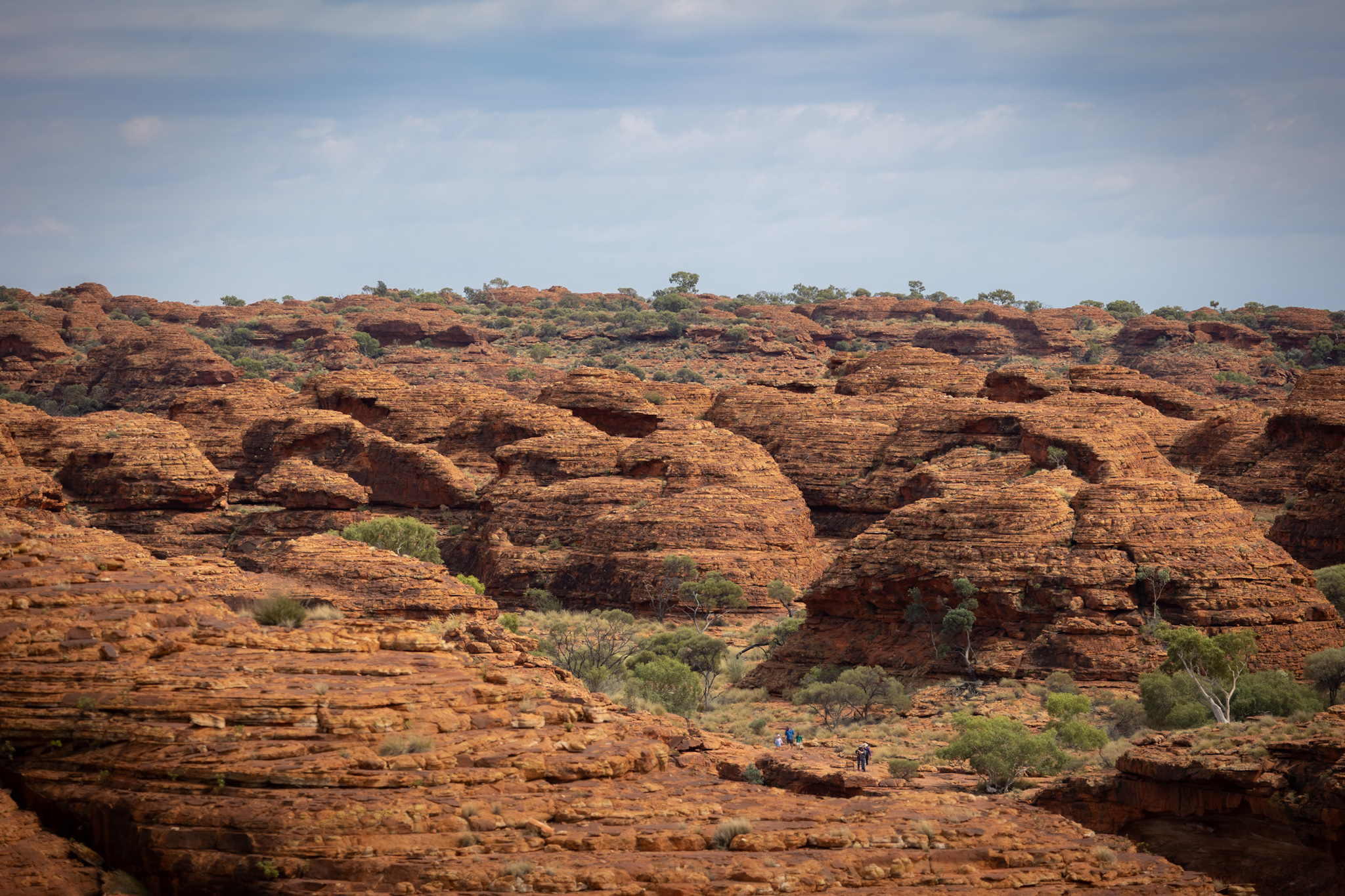
The Kings Canyon rim walk is 6km and will take you about 3 to 4 hours to complete. Start the walk early (before 8 am) to avoid the heat and crowds; bring plenty of water, hat and sun protection.
If you’re exploring the Red Centre, Kings Canyon is unmissable. I visited it as part of a 3 day 2 night tour, also stopping at Uluru.
7) MacDonnell Ranges Adventure Day
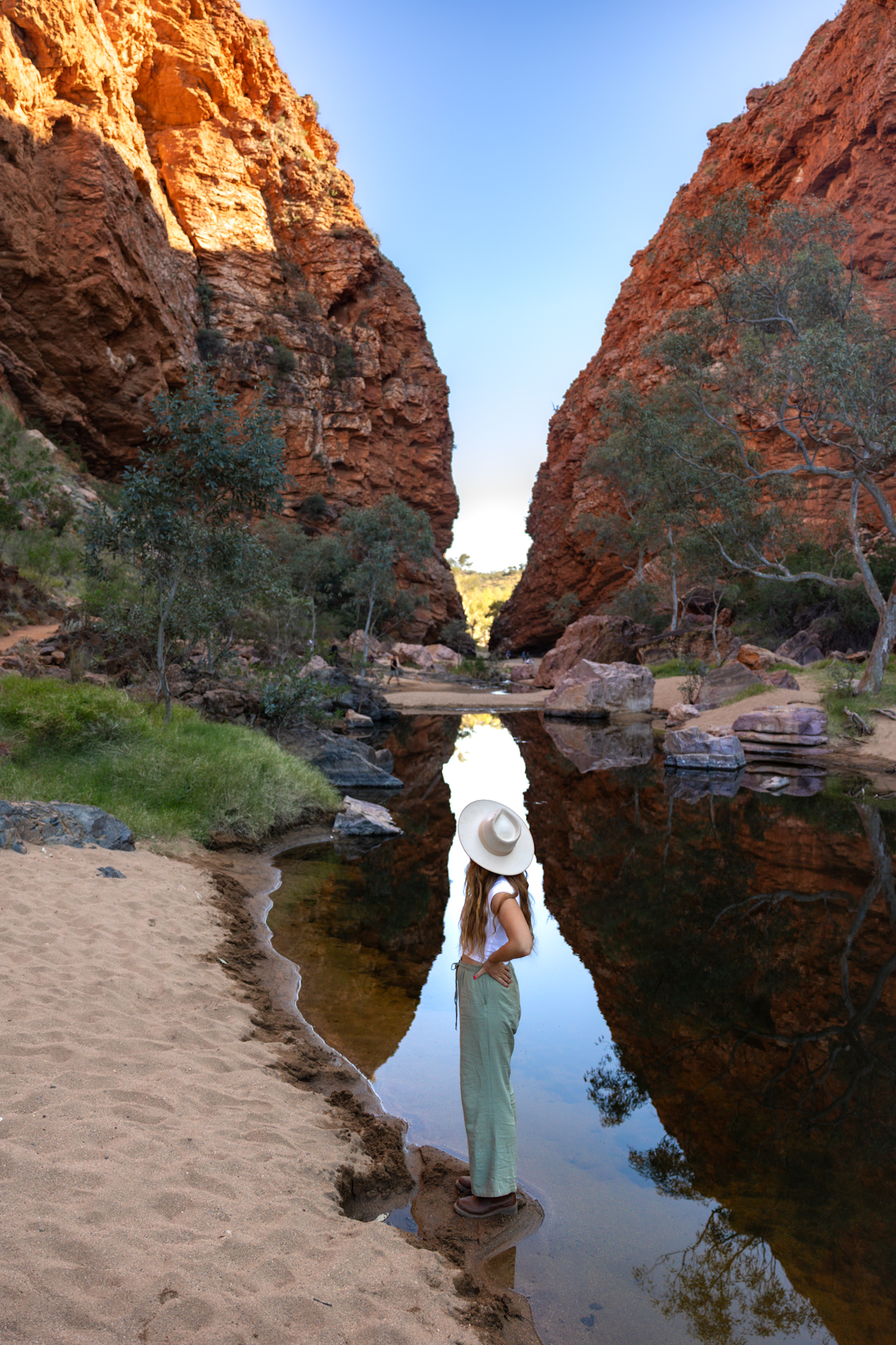
Just outside of Alice Springs you’ll find the MacDonnell Ranges – a stretch of rugged red rock gorges, hidden waterholes and sweeping desert views that feel like they’re straight out of a movie. Its a real hidden gem and one of the top things to do in the Northern Territory.
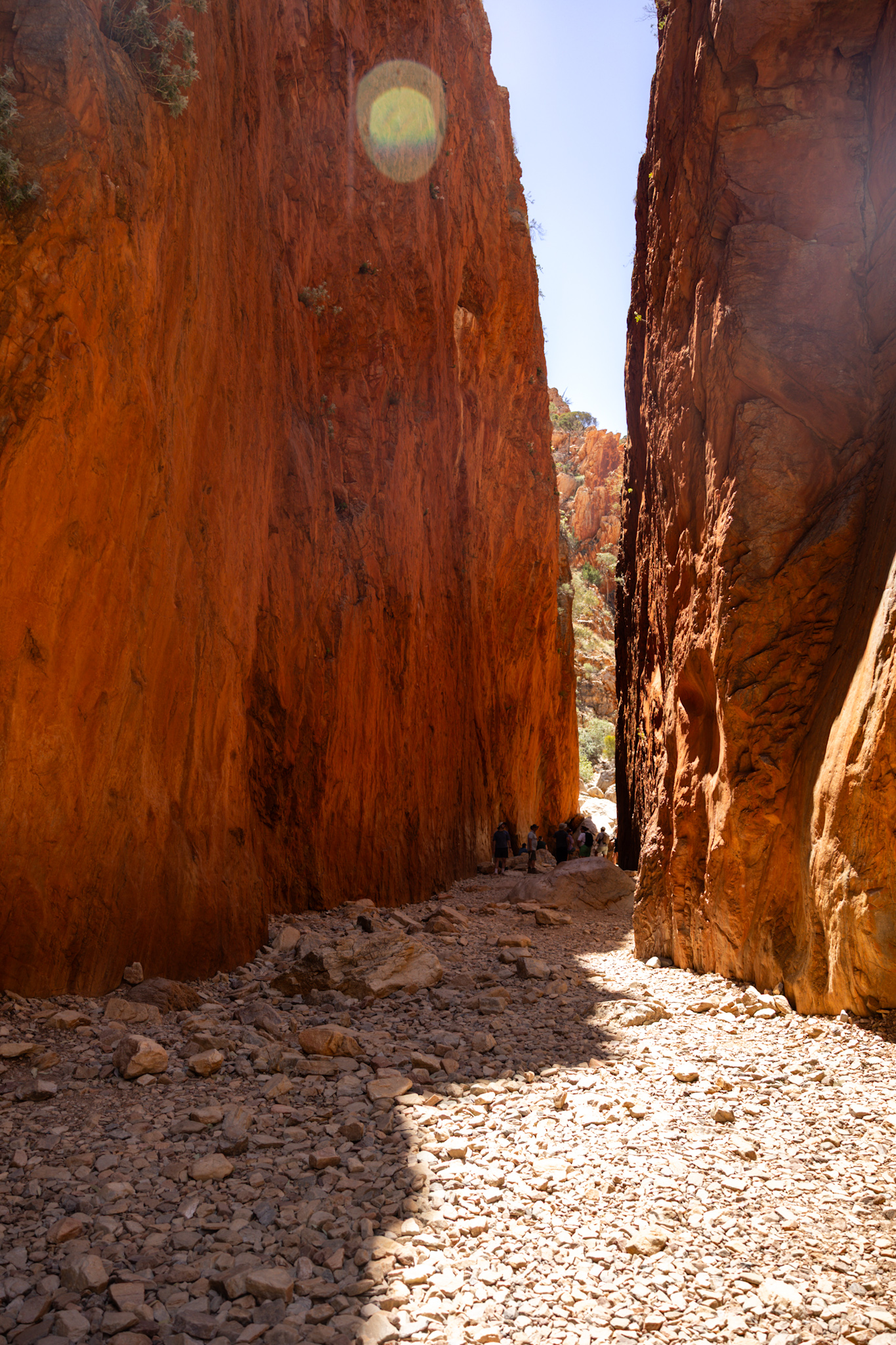
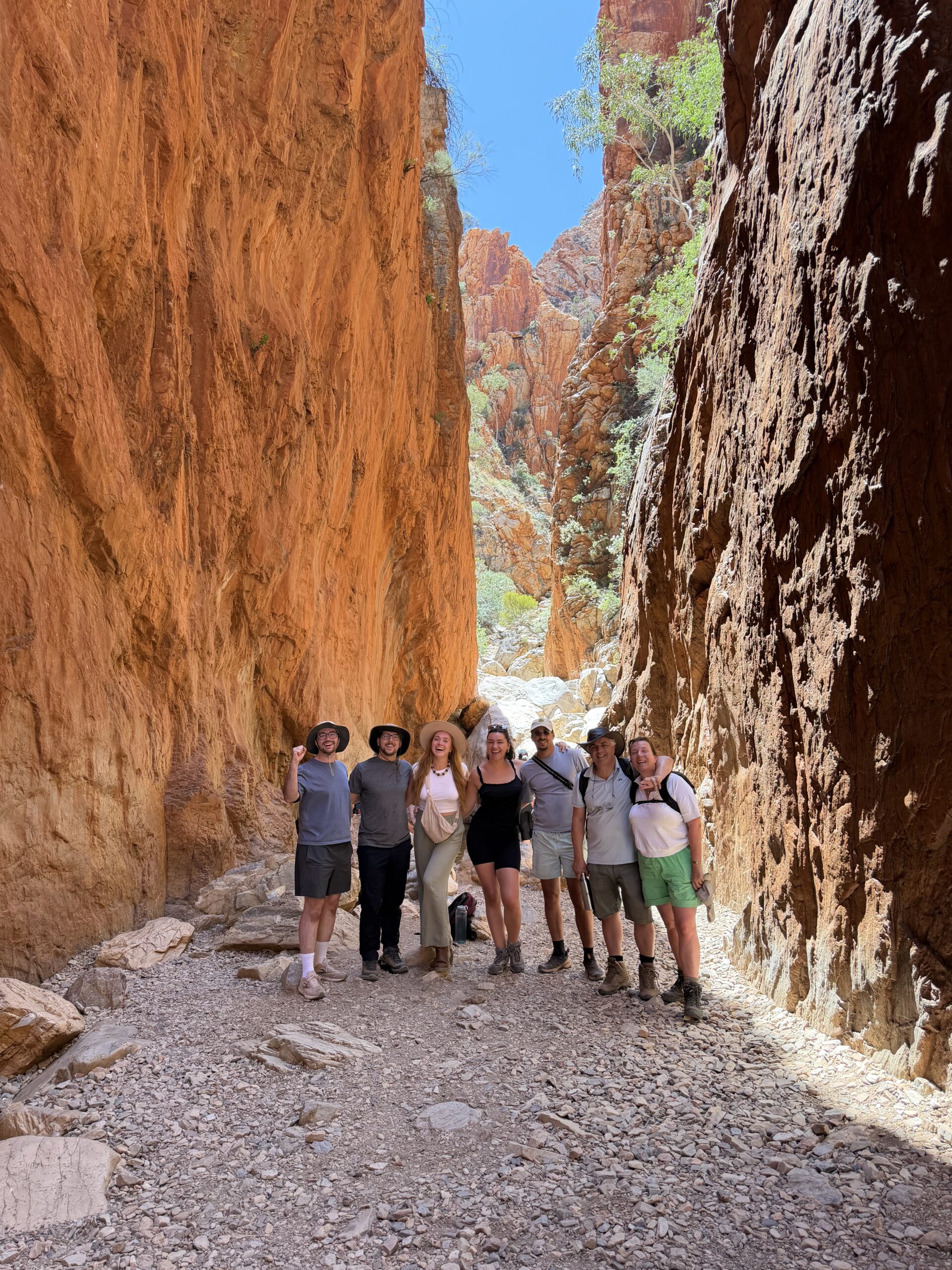
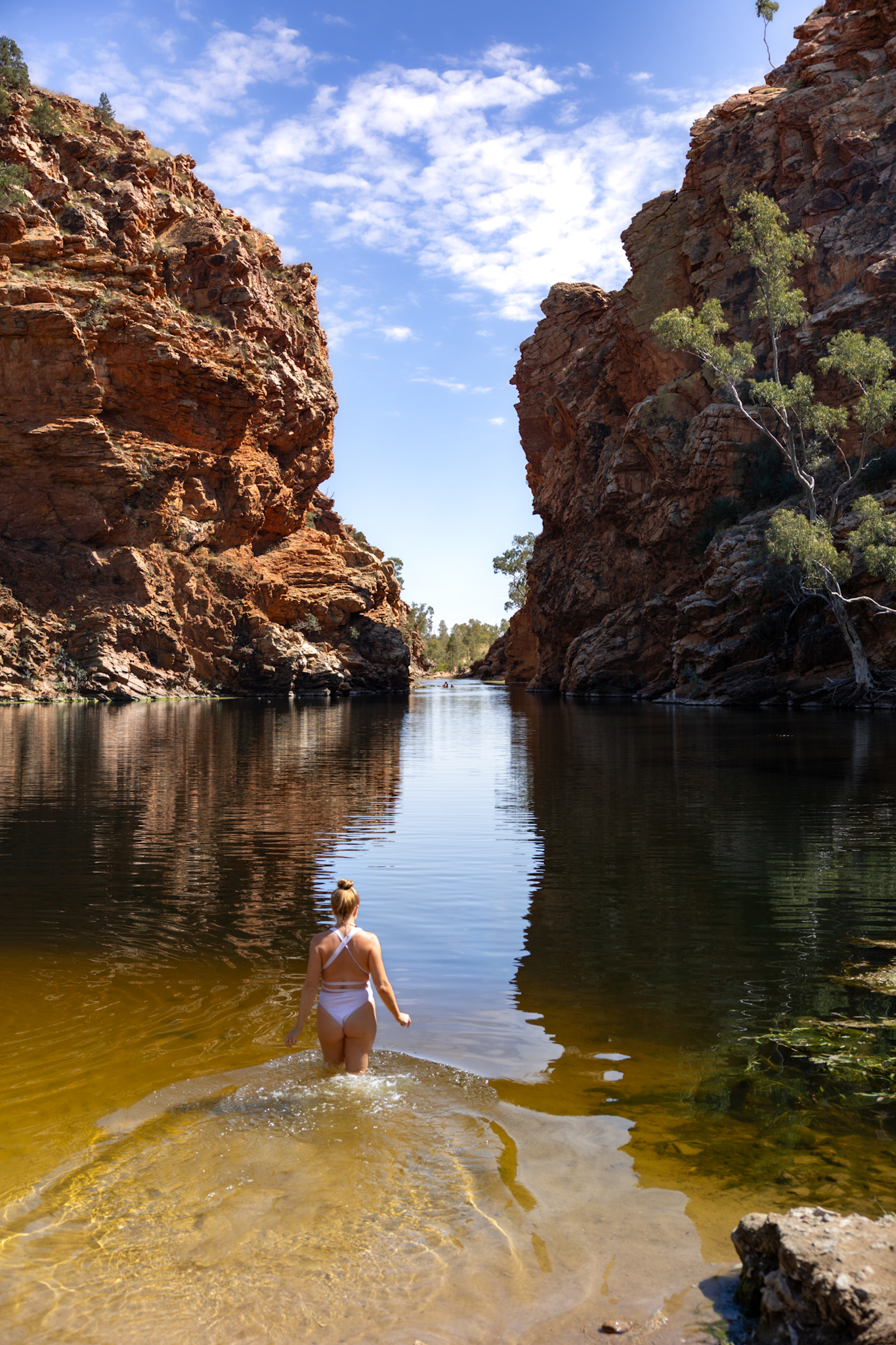
This area (known as Tjoritja to the local Arrernte people) is perfect for a day of exploring: wander through the tall sandstone walls of Standley Chasm, cool off in the peaceful water at Ormiston Gorge or Ellery Creek Big Hole, and keep an eye out for wildlife at sunrise or sunset. It’s an easy and beautiful way to experience more of the Red Centre while soaking up incredible scenery and deep cultural significance – without the long drives of the other national parks.
This area is a geological and cultural wonder, and a photographer’s dream!
8) Meet Saltwater Crocodiles
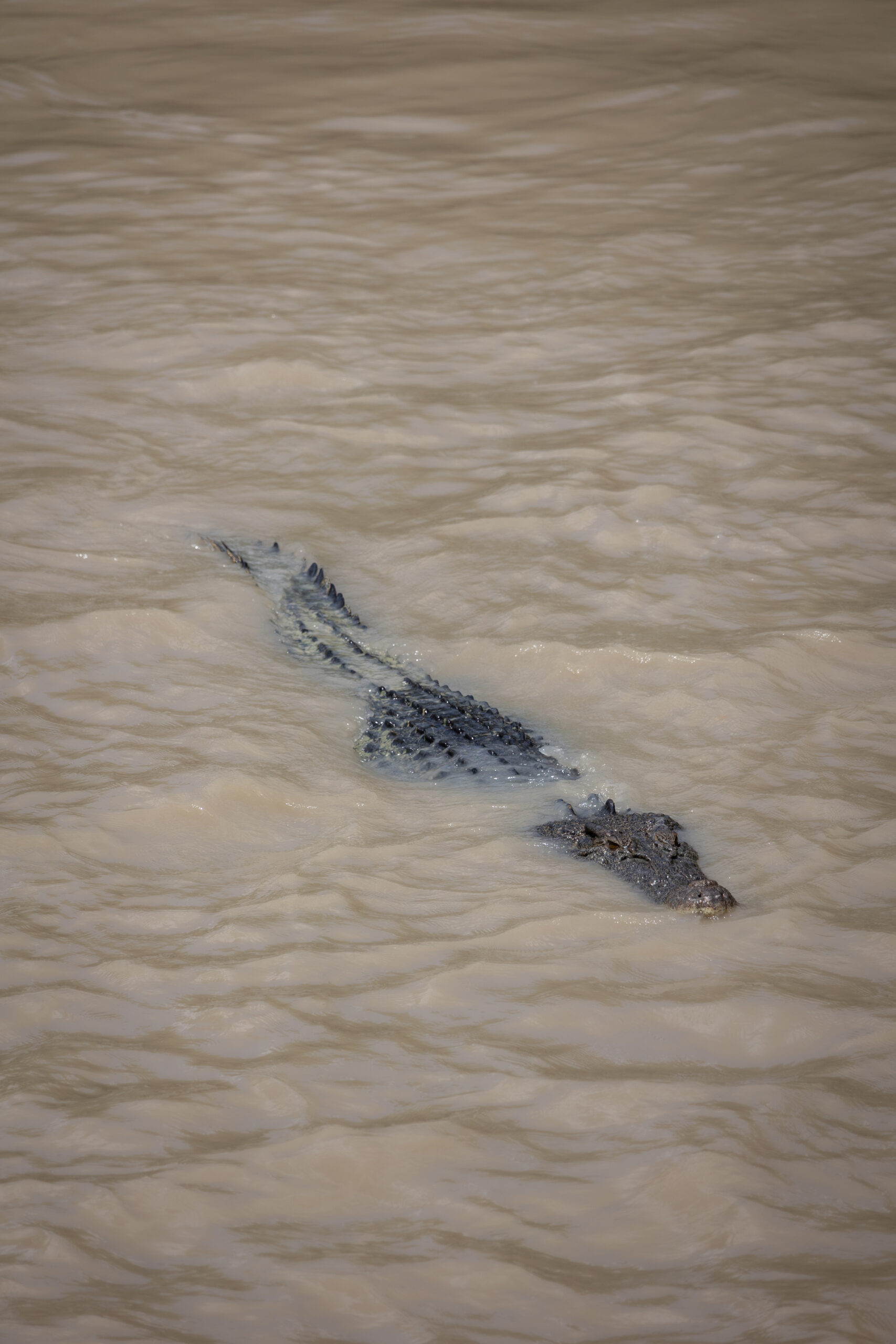
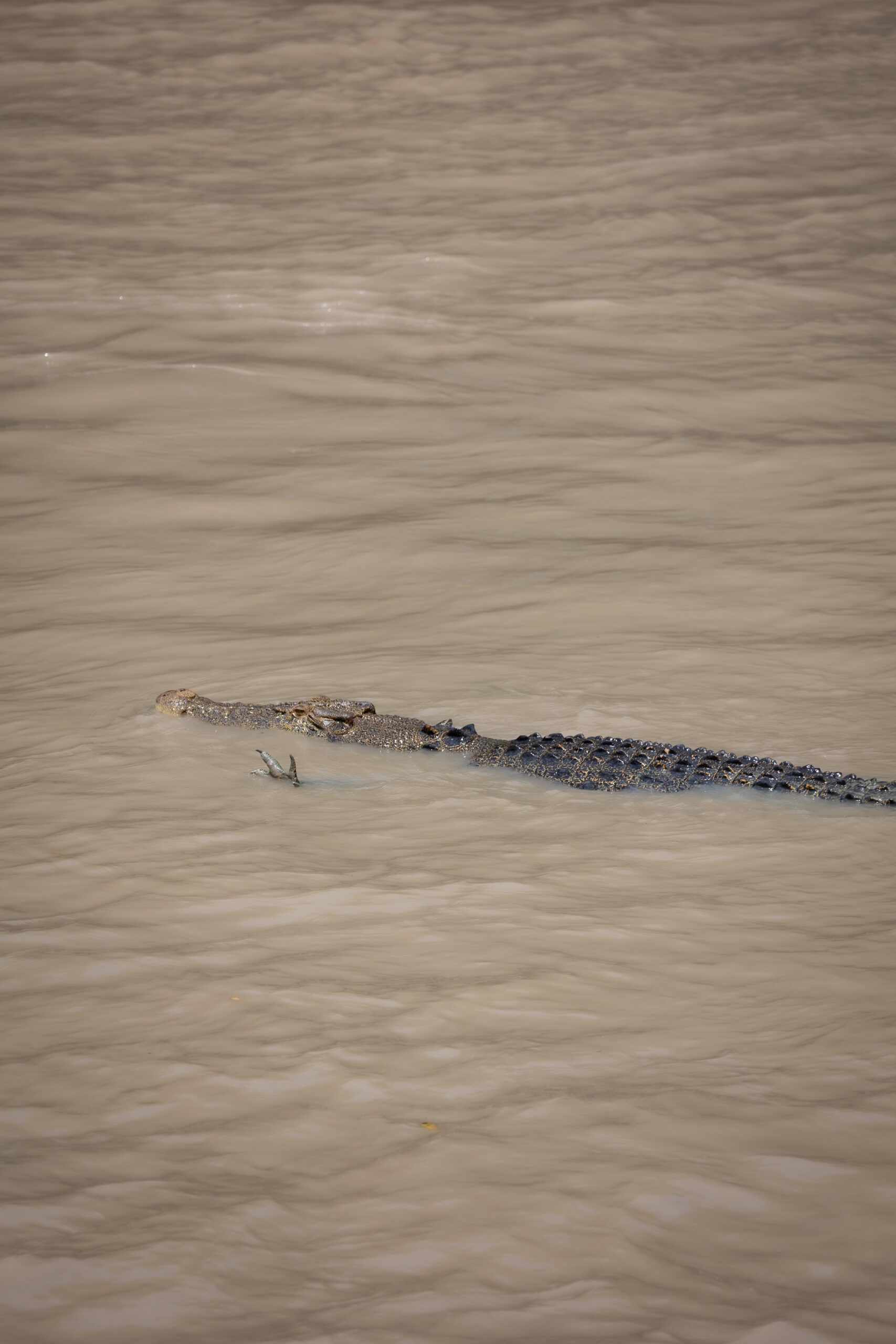
The Northern Territory is croc country, and seeing them safely is part of the experience!
Where to see saltwater crocodiles in North Territory:
- Corroboree Billabong wildlife cruise
- Crocosaurus Cove (Darwin)
- Cahill Crossing at high tide
9) Witness World-Class Indigenous Rock Art
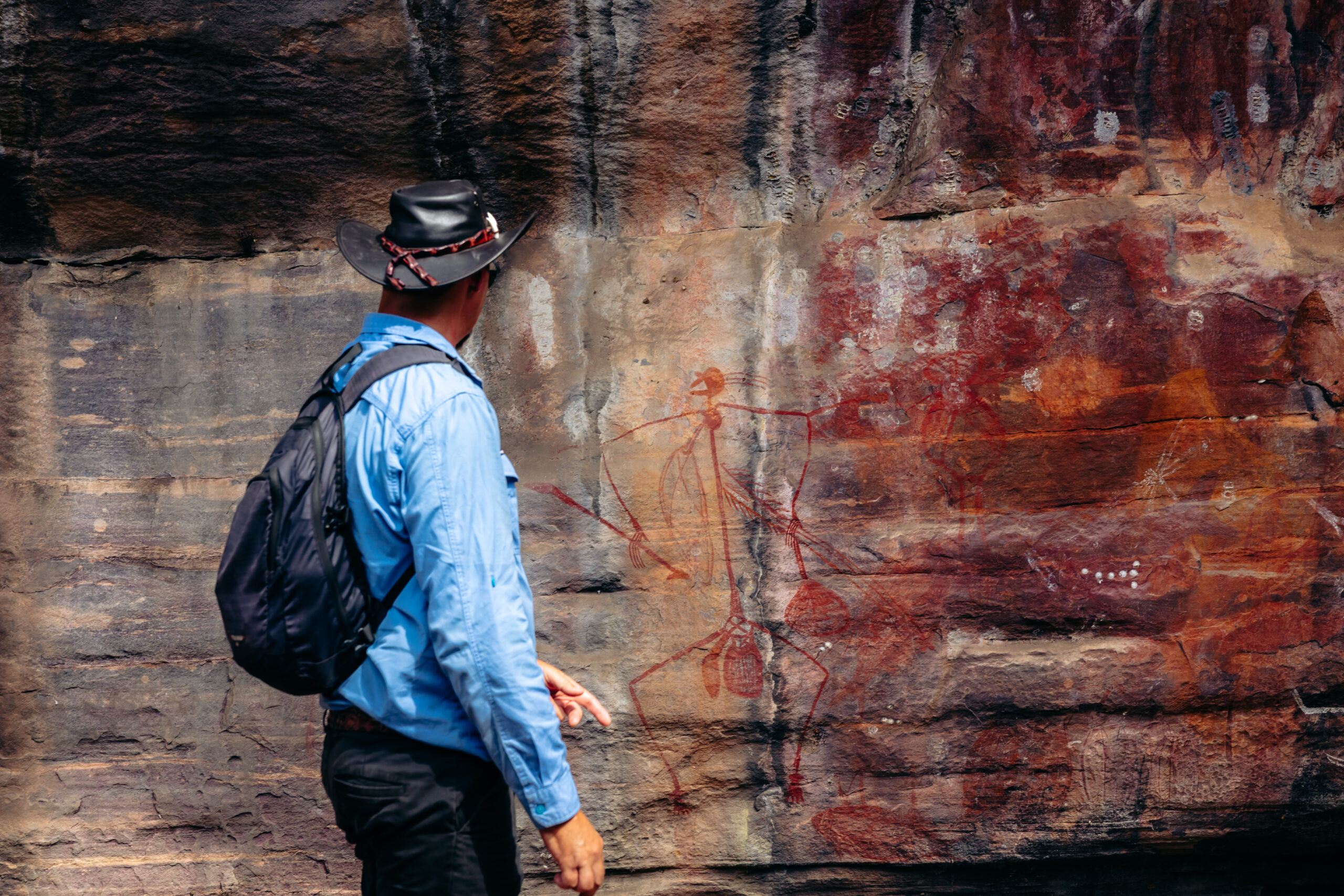
One of the most meaningful parts of visiting the Northern Territory is seeing ancient Aboriginal rock art up close. In places like Ubirr and Burrungkuy (Nourlangie) in Kakadu National Park and along the base of Uluru, you’ll find ochre-painted figures that have been carefully preserved for thousands of years.
These aren’t just artworks, they’re stories. Many depict creation beings, hunting knowledge, animals, seasonal changes and the deep spiritual connection First Nations people have with Country. Standing in front of them feels like stepping into a classroom that has been teaching culture, language and survival long before any modern record existed. To truly appreciate the meaning behind the symbols and stories, join a local Indigenous-led walk or talk – the context makes the experience even more powerful.
10) Visit Alice Springs
Located in the heart of the Northern Territory, Alice Springs is a vibrant outback town surrounded by the dramatic MacDonnell Ranges and bursting with culture, creativity and adventure. It’s the perfect base for exploring the desert (including in a hot air balloon!)
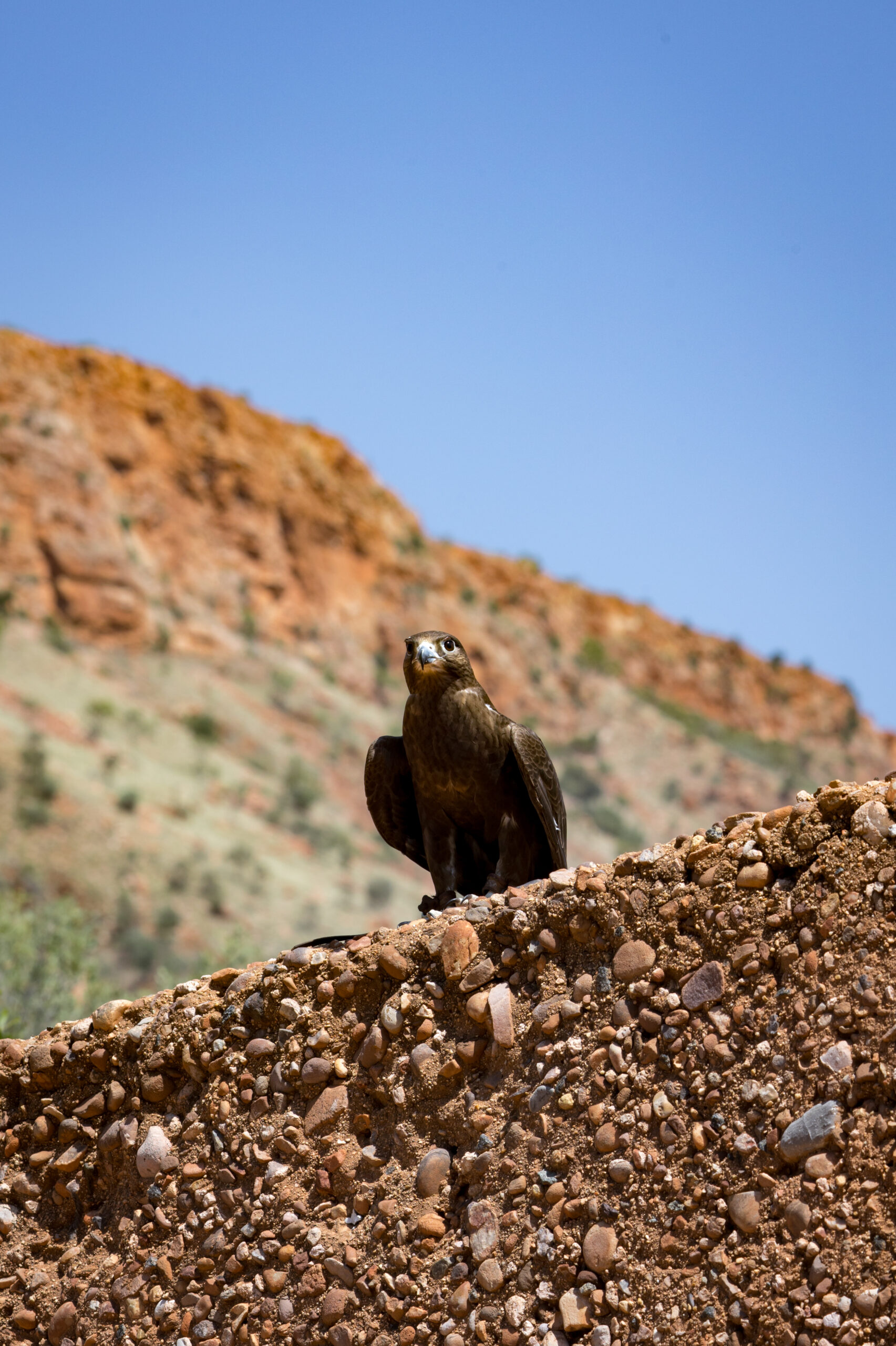
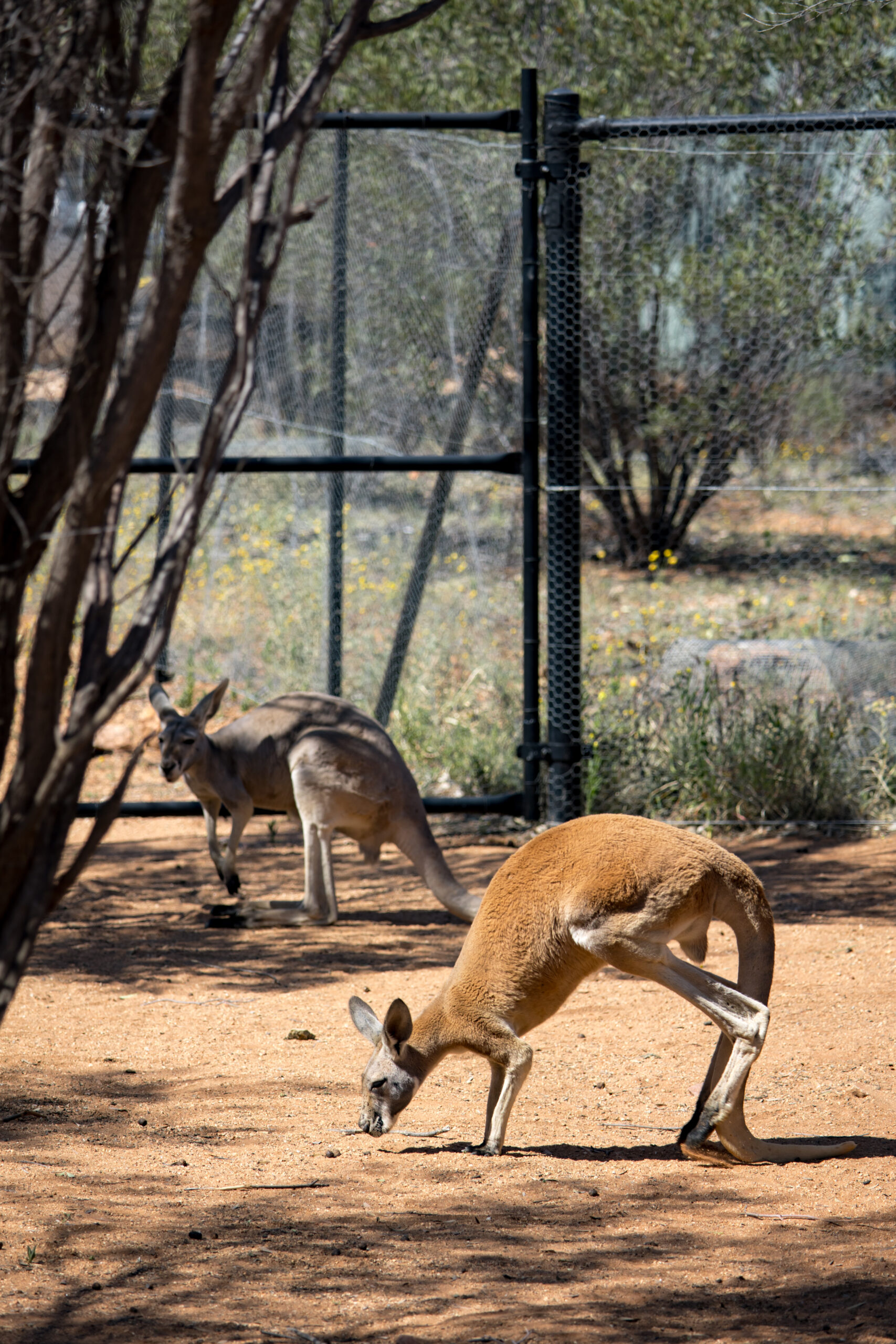
Make sure to also stop at Alice Springs Desert Park – a safari-style wildlife experience where you can walk through recreated desert habitats, meet kangaroos, see a spectacular free-flying bird show, and learn about the deep connection the Arrernte people have to this land. Whether you’re heading out on a road trip to Uluru or hiking into nearby gorges, Alice Springs is the place where outback life begins.

Conclusion – Best things to do in the Northern Territory
The Northern Territory isn’t just a destination, it’s the real Australia. Ancient culture, rugged landscapes, epic wildlife encounters… there’s nowhere else like it!
From watching the sunrise over Uluru, to swimming beneath waterfalls in Litchfield National Park, to spotting crocodiles in Kakadu National Park, to jet skiing in Darwin. Every stop, from vibrant Darwin to the sacred Red Centre, invites you to slow down, look closer and connect with the land and its people. Whether you’re here for iconic landmarks, ancient culture, wildlife adventures or simply the magic of the outback sky, the Northern Territory will leave you changed in the best way.
If you’re planning a trip Down Under, this is your sign to add the Northern Territory to your bucket list. Check out www.northernterritory.com and https://realaussieadventures.com/northern-territory/ for more information.
Like this post? Please pin it to save for later



No Comments